

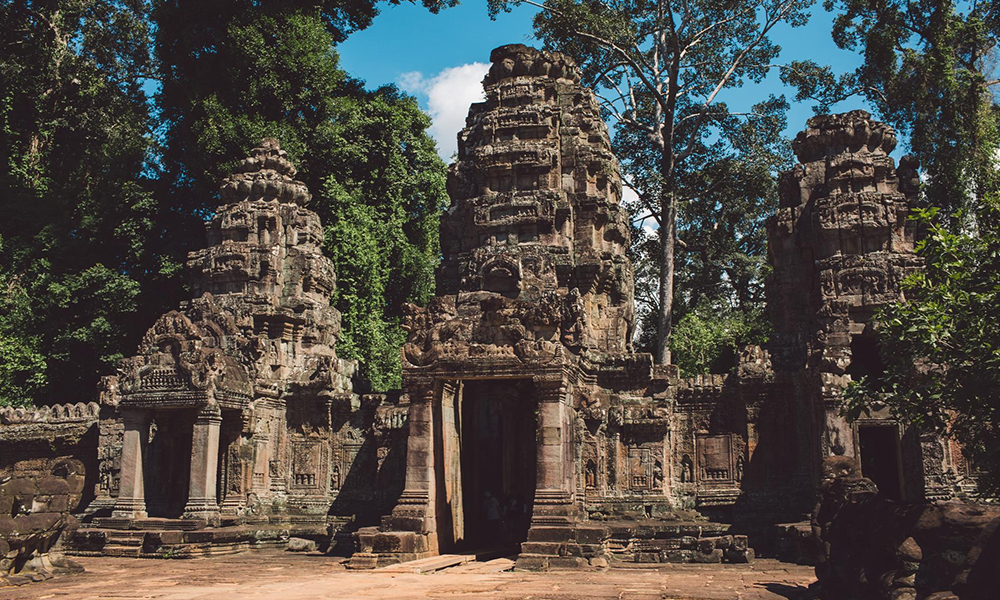

Heritage restoration teams restore historical sites all over the world that would have otherwise deteriorated. Experts use the latest technology to restore old walls and intricate carvings to their original condition. Museums take the lead in these restoration activities to ensure that heritage is preserved for future generations.
Experts restore old stone facades that have deteriorated over time. The use of scaffolding surrounds tall buildings while conservators carefully match the original pigments with scientific accuracy. Surface scans using lasers record every crack so that the data can then be stored digitally.
Museums are implementing global campaigns to embrace both the old and the new through the use of traditional craftsmanship combined with cutting edge technology. Curators will be training local craftspeople in ways to sustainably continue the tradition of artisan craft, helping foster community pride in their heritage.
Volunteers remove moss from forgotten sculptures, restoring hidden details. Archaeologists dig up ancient pieces, displaying them in newly renovated galleries. Interactive displays enable patrons to engage with the restoration process with the help of augmented reality.
Museums Lead the Charge in Art Heritage Preservation
Museums galvanize restoration by hosting traveling workshops. Specialists demonstrate acid-free consolidation on delicate frescoes, halting decay. Galleries showcase before-and-after timelines, highlighting dramatic transformations. Artistic heritage comes into focus as these institutions bring to light forgotten stories.
Nanotechnology is being used to conserve porous stones from moisture. Drones are being used to survey big buildings. They help in the detection of erosion that is not visible to the naked eye. Digital twins are being used to simulate climate change.
There is community support for pavilions that have been restored, now serving as venues for performances. Dancers move effortlessly across marble floors that were once dusty. Musicians create echoes of ancient songs in vaulted spaces. These sites evolve into living classrooms for art history.
Philanthropists donate heavily for the preservation of the relics in climate-controlled vaults. Experts use bio-based resins for the stabilization of wooden beams. This practice replicates the use of ancient resins. Rotating exhibits feature masterpieces, limiting exposure to light.
Scholars use advanced technology to read faded inscriptions. Symbols appear as they study the ancient languages. Publications of the research contribute to the global art history conversation. Cultural heritage unites people with the common goal of restoring ancient pieces.
These efforts bridge the world as people of different backgrounds unite for the cause. Museums show the way forward as they ensure the eternal existence of art heritage. People leave with a newfound hope as they carry the stories of the revival in their hearts.
You May Also like: National Museums Report Record Visitor Growth in 2026