

Architects shape how people experience art inside cultural institutions. Designers create spaces that frame collections and guide movement. Museums rely on careful planning to balance beauty with function. Cities support cultural buildings to strengthen identity and pride. Institutions invest in architecture as a measure towards creating lasting trusts.
Designers interpret the themes as designed in the curatorial narratives. Design teams plan routes that facilitate the process. The audience experiences the collection through light, scale, and sequence. Buildings communicate values before artworks speak. Architecture becomes the first story visitors encounter.
Architects collaborate with curators to protect collections and people. Teams integrate climate control and lighting standards into galleries. Engineers support structural solutions that preserve fragile works. Planners ensure access for diverse audiences. Institutions prioritize inclusion through welcoming design strategies.
Cultural architecture shapes how collections grow over time. Designers plan flexible galleries to support changing exhibitions. Directors approve expansions that respect original intent. Institutions manage growth through phased development plans. Visitors experience continuity across evolving displays.
Designing Spaces That Serve Art and People
Phil Freelon advanced community-centered design within museum projects. He focused on dignity, access, and representation in cultural spaces. Teams made entrances inviting first-time visitors. Designers added flexible rooms for educational programs. Communities respected his efforts to honor local stories.
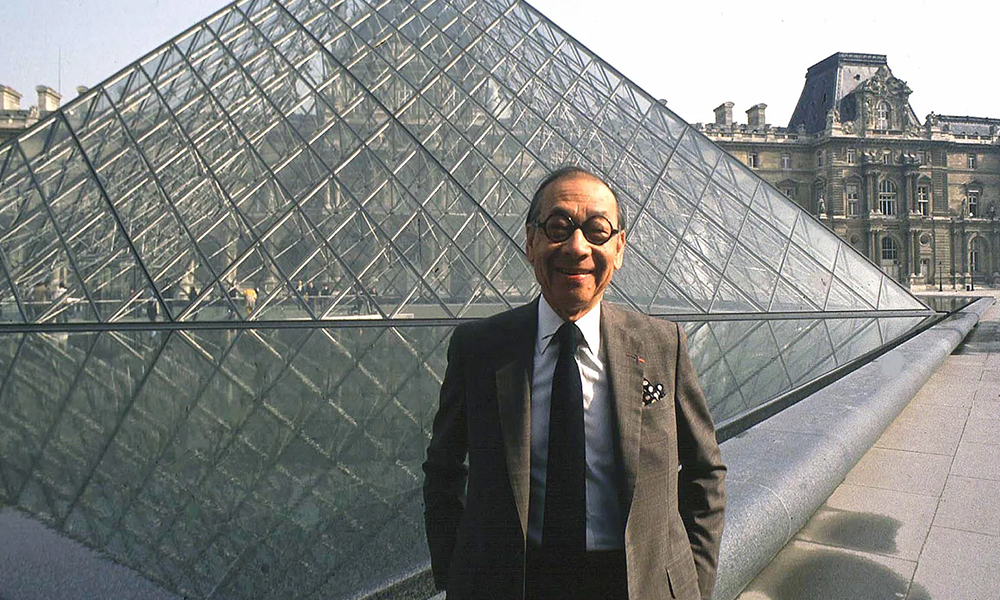
I. M. Pei was a modern museum designer of clarity and simplicity. He was skilled at providing human-scale balance with monumentality in public building designs. Curators benefited from galleries that controlled daylight with precision. Engineers delivered structures that guided circulation with calm authority. Cities embraced his buildings as enduring cultural landmarks.
Architects integrate sustainability into contemporary museum design. Teams specify efficient systems to reduce environmental impact. Landscapes restore ecological balance around museum campuses. Operators manage energy use through passive design strategies. Institutions demonstrate stewardship through responsible material choices.
Technology reshapes how institutions present collections to audiences. Designers provide infrastructure for immersive media and digital exhibits. Curators expand interpretation through interactive storytelling tools. Technologists maintain platforms that support hybrid engagement. Visitors explore layered experiences that deepen understanding.
Architecture strengthens relationships between institutions and communities. Designers respect heritage while enabling innovation. Leaders steward legacies through careful renewal strategies. Communities claim ownership through inclusive public spaces. Art flourishes when buildings serve people with clarity and care.
More Explore: Navigating the Art Market as a Collector