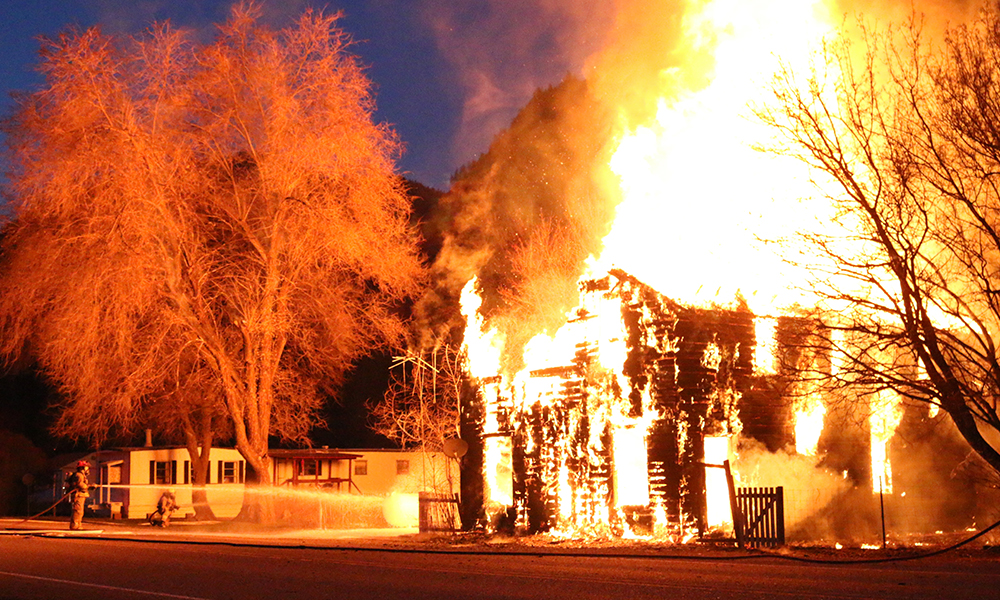

California’s wildfire seasons have never stopped intensifying. The space of cultural art has now started facing the effects of the above in many ways. For the collectors, galleries, and museums, however, there is a critical issue to consider: how to secure the artwork from possible damage as a result of the impending risks of smoke, heat, and evacuation.
For example, in high temperatures, priorities should be revised. Blazes force fire crews to fight fires, and citizens deal with displacement upon displacement. Cultural leaders understand that preparedness needs to adapt to changing climate situations.
Insurers raise their demand as the number of claims increases from the affected areas. The conservators recommend taking precautionary steps that minimize the loss due to smoke and heat. Operators want safer locations outside the areas of high risk.
Storage, Safety, and the New Logistics of Protection
Facilities expand climate-controlled capacity to meet sudden demand. Managers secure offsite vaults to ensure rapid relocation during evacuation alerts. Transport teams coordinate discreet moves to minimize exposure and transit risks.
Archives update inventories to prioritize irreplaceable works. Curators arrange for phased movements of high-value collections. Technicians install air filtration systems to minimize particulate contamination.
Galleries adopt shared storage agreements to spread risk and cost. Regional networks pool resources for emergency transport and temporary housing. Administrators negotiate flexible contracts to support rapid response.
Collectors invest in fire-resistant construction and upgraded monitoring. Security teams deploy sensors to track temperature, smoke, and humidity. Engineers reinforce building envelopes to limit ember intrusion.
Public agencies fund resilience grants to support cultural preparedness. City planners integrate cultural assets into emergency management frameworks. Fire authorities coordinate briefings to align evacuation timelines with collection safety.
Communities mobilize volunteers to support packing and logistics. Foundations provide bridge funding to offset storage surcharges. Leaders emphasize continuity planning to protect access and trust.
As the fires constantly reconstitute risk in California, the art world adjusts just as persistently and thoughtfully. The sector prioritizes efforts aimed at long-term resiliency planning. It increases collaboration in the effort to secure the memory of California through an era of constant disruption.