

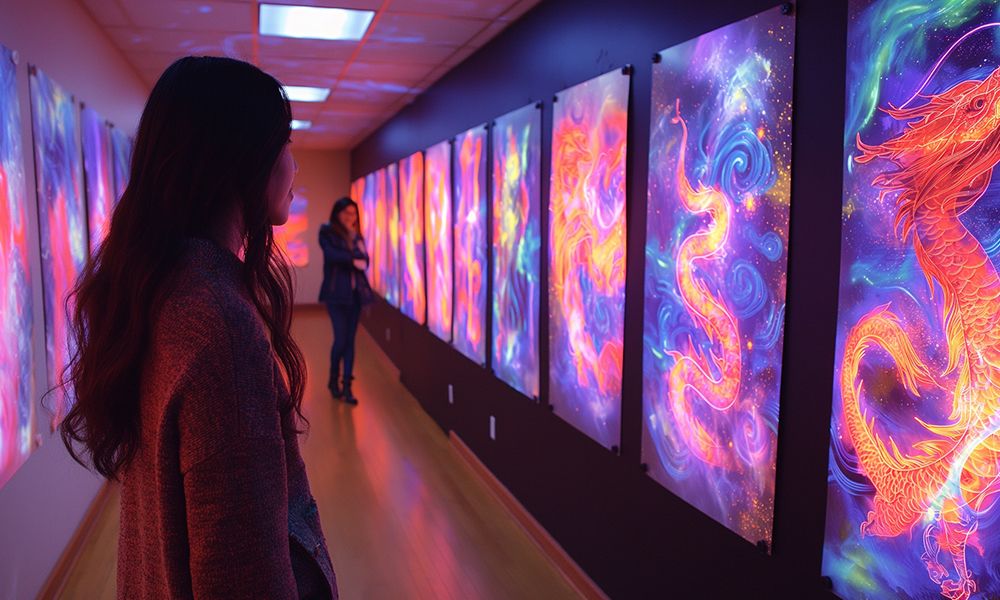

International Art Collectors are increasingly focusing on digital art. This is because there has been a major shift in the global Art Market. Collectors are now focusing on new forms of art like NFTs, digital illustration, and virtual installations.
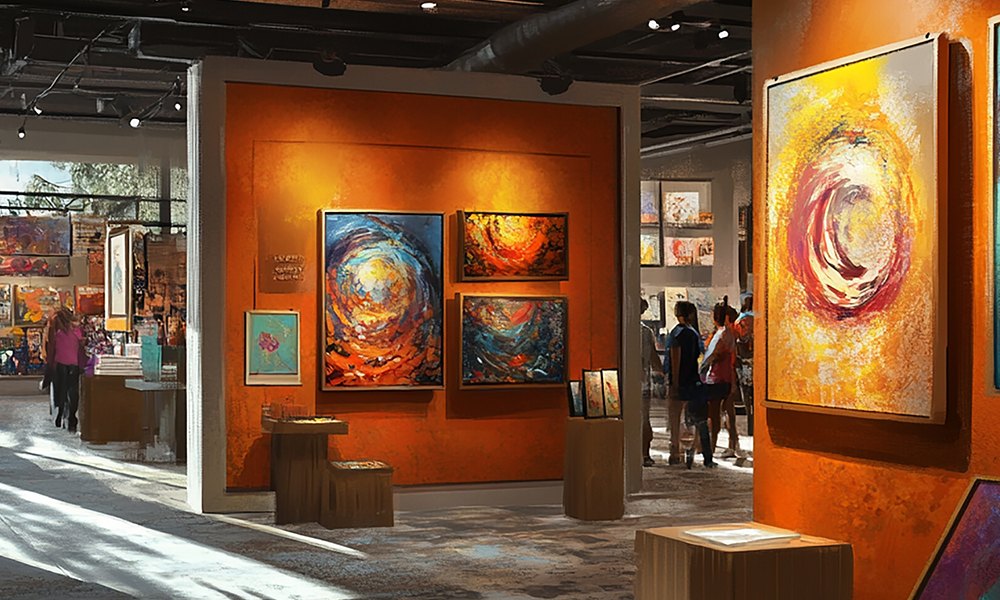
Today’s Collector is one who appreciates accessibility and new forms of art along with its cultural value. Digital art has made it possible for collectors to access art instantly and anywhere in the world. This has resulted in the evolution of the role of physical Art Galleries.
Today, every Artist is exploring new digital forms of art to reach more people and experiment with new forms of art. Artists are now creating new digital assets that bring together technology and art. This is not only making them more visible but is also opening new avenues for generating income for them.
The Role of Security in the Expanding Digital Art Ecosystem
With the increase in popularity of digital art, Art and Design Security is becoming even more significant for collectors as well as artists. Such platforms and innovations in blockchain technology are proving to be effective in establishing trust within the digital art world.
The role of Art Certificate Security is significant in establishing authenticity in digital art. Such certificates associated with blockchain technology provide transparent information that establishes ownership history. This innovation is effective in avoiding fraud, thereby establishing trust among collectors who invest in digital art.
Additionally, Collectors are focusing on secure transactions while investing in digital art. They prefer platforms that offer secure transactions while purchasing digital art. This is ensuring secure investment in an increasingly digital world.
The digital revolution is also motivating Art Galleries to modify their business model. These galleries are currently focusing on virtual exhibitions, events, as well as virtual artists. The changes in the business model of the galleries allow them to stay relevant in a digital world.
Meanwhile, the emerging Art Market is witnessing a rise in the demand for limited-edition digital art pieces. The scarcity of the digital art, as well as the ownership of the art, play a crucial role in the emerging art world.
In conclusion, international art collectors are redefining the conventional art collecting by embracing digital art and technology. With great emphasis placed on innovation, security, and global access, the digital art movement is poised to take the future of the art industry by storm.
Read More: Art Collectors Reshape the Contemporary Art Market