
A new academic publication focuses on an issue related to how Renaissance Europeans viewed and interpreted the meaning of skin. In the research, the subject of skin is discussed as an element of identity, as well as a marker of morality and an indicator of well-being.
During the Renaissance period, it was an age of increasing interest in the human body. People, such as scholars, artists, and physicians, started to observe the physical features of the body. Skin features were among the most observed body parts.
As per the publication, there was a general association between skin and concepts of beauty or social class. For instance, fair and clear skin was associated with nobility and purity. These concepts determined how an individual was perceived in society.
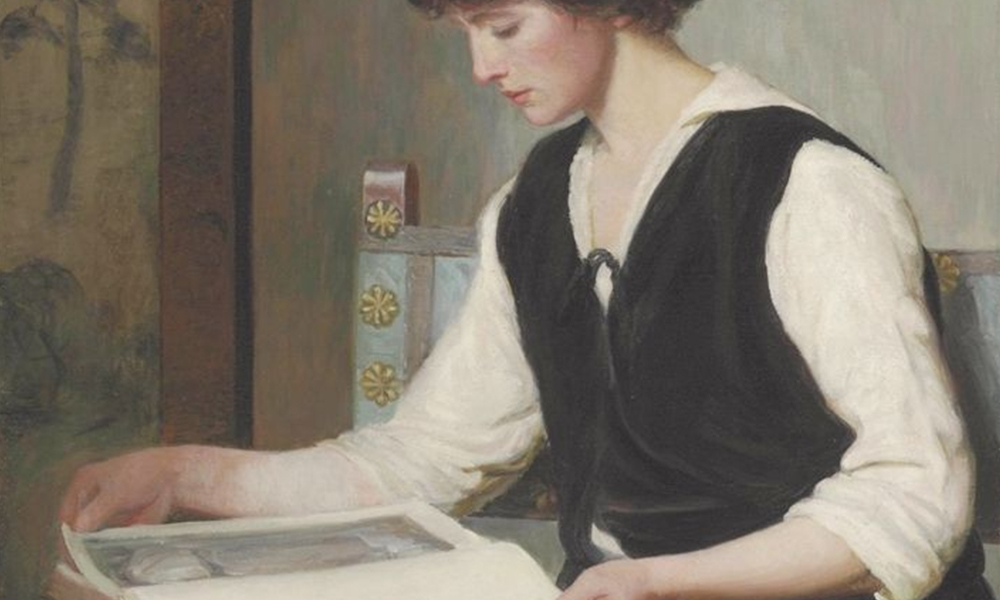
The Renaissance artists showed particular attention to the texture and tones of human skin within their paintings, and this provided further insight into the Renaissance ideals of beauty and reality, and how this influenced how people viewed what was attractive and part of reality.
The publication also demonstrates the relationship that was assumed to be there between the skin and the prevailing medical theories of the times. The physicians in those times believed that the color of the skin was in line with the humors in the body. Therefore, it was assumed that an imbalance in the emotions would alter the complexion of the skin.
The book also elaborates on how skin was used as a tool of communication of religious ideas. Religiously interpreted, marks, scars, and wounds could denote spiritual struggles during one’s faith journey.
Scholars Reconsider Historical Beliefs
Modern authors believe that these historical views have contributed to how the long-term attitude towards race and identity has been perceived. The publication prompts the reader to make connections to how historical views affect current thinking. It relates the Renaissance views to the current discussion of race and bias based on one’s appearance.
The authors emphasize the value of critical thinking while reading historical sources. The knowledge that was available during the Renaissance on the subject of skin was limited.
Through a study of medical texts, artworks, and personal writings, the publication reveals a more general discussion concerning the concept of skin. This reveals that physical appearance is deeply linked to socially constructed concepts. Skin was not perceived as a purely biological entity.
The book makes the reader think about beauty standards and how they are defined. It makes people question the idea of beauty and beauty standards of the modern world. This questioning helps people be more accepting of beauty today.
Overall, this publication offers good insight into Renaissance thought. First and foremost, it offers an understanding of how the Renaissance thought about the body and how this influenced culture and art in society.