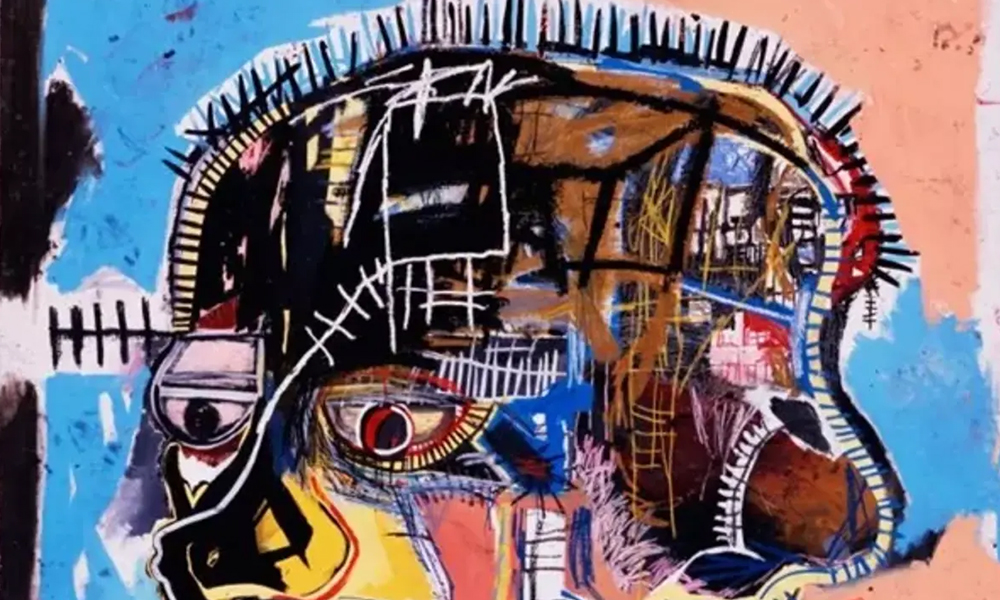

An important exhibition has been underway in Denmark and is generating a lot of attention among art lovers. The exhibition is featuring the intense ‘head’ pieces by Jean-Michel Basquiat.
Basquiat is one of the most influential artists from the 20th century. His art speaks about identity, power, and race. His bold lines and raw symbols in art create emotional impact. His art resonates with new generations of people on the global platform.
Exhibition presents several key “head” paintings and drawings. Each work reflects Basquiat’s deep interest in the human face. He often used heads to express struggle and inner conflict. The faces appear fragmented and layered. They suggest tension and vulnerability.
Curators designed the exhibition to support careful engagement. They arranged the works in a quiet sequence. Each piece receives enough space. This layout reduces visual noise. It helps visitors focus on individual artworks.
The exhibition also provides context for Basquiat’s practice. Wall texts explain key themes. They discuss his influences from African art, anatomy books, and street culture. This background deepens understanding.
The Power of the ‘Head’ Motif in Basquiat’s Work
Basquiat often returned to the image of the head. He used it as a symbol of identity. He used it to express mental pressure. The head became a site of memory and resistance.
Many heads appear crowned. The crown symbol reflects power and dignity. It challenges traditional ideas of status. Basquiat used this symbol to honor Black excellence. He presented marginalized figures with authority.
The heads also show signs of damage. Cracks and exposed layers appear frequently. These features suggest pain and struggle. They reflect personal and collective histories. The imagery invites empathy.
Visitors respond strongly to this direct encounter. Many describe the experience as intense. The faces seem to look back at the viewer. This gaze creates a sense of dialogue. The viewer becomes part of the artwork’s emotional field.
The museum supports learning through guided tours. Educators provide short talks. These sessions explain key motifs. They also address historical context. This support helps visitors engage with confidence.
This exhibition in Denmark offers a focused view of Basquiat’s visual language. The close encounter deepens emotional connection. The careful curation supports reflection. The show reminds audiences of Basquiat’s lasting relevance.