

Worldwide art collecting is changing and art from Africa attracts more international attention than ever before. Collectors from Europe, North America, the Middle East, and Asia want to buy works of art that represent originality, history, and innovation. This increased demand has resulted in an almost historic year for South African auction houses.
Almost every South African auction house is reporting healthy bidding activity in a range of categories. Buyers are competing for work by both well-known masters and emerging artists in the realm of contemporary African art.
With the contemporary culture and the economic value of African Art being recognised worldwide and more and more often in exhibitions and art fairs all over the world, artists from Africa including Nigeria, Ghana, South Africa, Kenya and Zimbabwe have had a greater representation.
Rising Visibility of African Visual Culture in Global Markets
African visual culture is now being recognized as a strong, active force in current thinking and has a clear place within museums, having works purchased for their permanent collections and further confirming their enduring importance; there are universities researching post-colonial ideas of narrative.
In Johannesburg and Cape Town, auction houses are capitalizing on the current momentum for African art and are offering curated catalogs that include prominent historical figures as well as emerging artists; the increased trust in provenance, authenticity and the highest professional standards.
Even with this momentum, uncertainty is also present throughout the larger picture; volatile currency values along with changing trade laws and worldwide political discord are all having an effect on cross-boarder transactions.
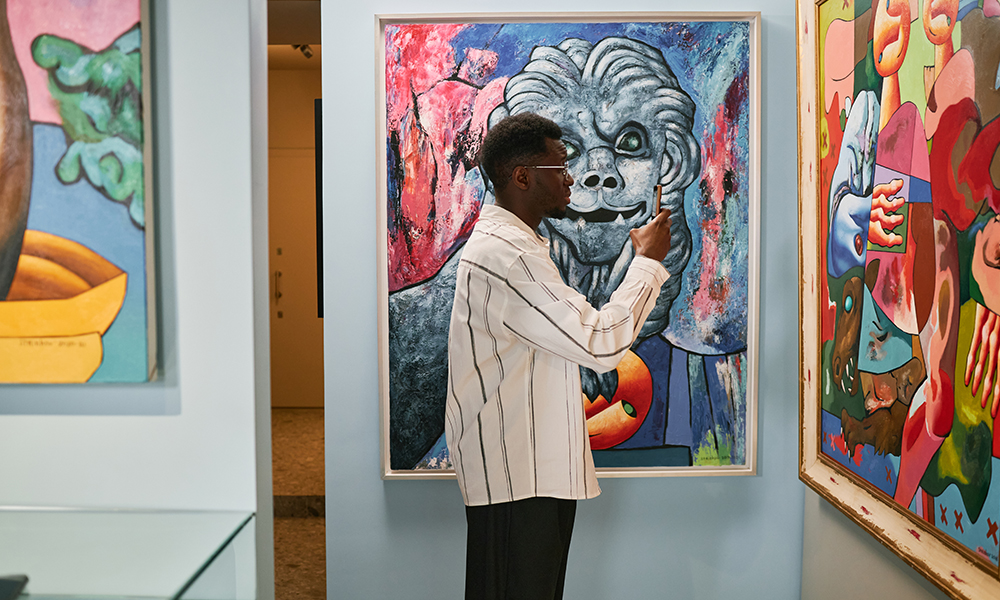
Collectors are also key to changes in how people view contemporary African art. They find out about this type of artwork through social media, online video narratives, and virtual galleries, which provide increased access to contemporary African artists.
Institutional support further accelerates progress. Cultural foundation’s fund African art events and provide funds for research and residency programs. Governments support creative industries as a driver of economic growth.
The close to record performance of South African auction houses, is representative of a much more than short term success – it is a reflection of a structural shift in the way the world views African art. Collectors are now looking at African visual culture as being central to the global history.
African artists on a global stage, uncertainty surrounding the global economy; however, there is a level of resilience that is defining the current trajectory of the market. South African auction houses continue to succeed because they are able to adapt, innovate and respond to continually evolving collectors.