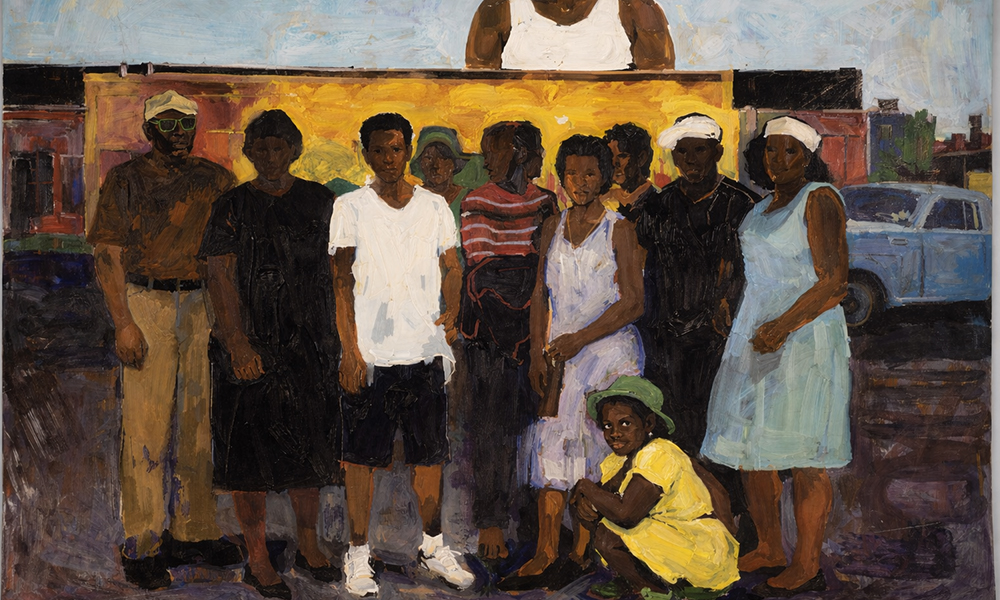

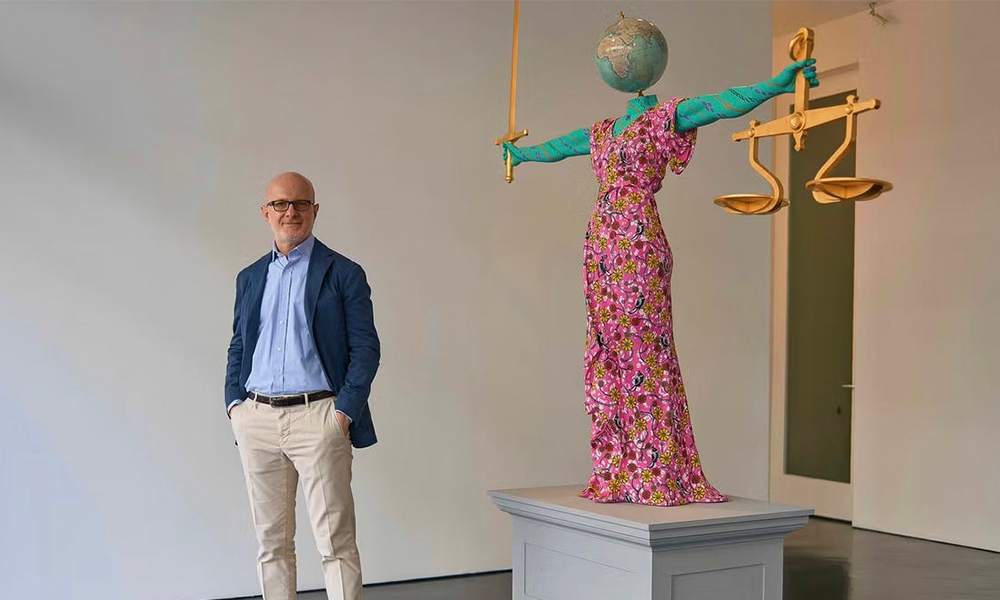

After 30 years of successful operation, the Stephen Friedman Gallery in London has decided to close due to constantly changing conditions in today’s global art market. As one of the leaders of the modern art movement, Stephen Friedman has played a major role promoting many new artistic movements through its partnership with many of these artists.
This announcement is shocking to the entire arts community. Many artists have expressed their gratitude for everything that the gallery has done for them over many years, as have many collectors who have benefited from the gallery’s efforts to help them understand and appreciate contemporary art. Many curators are also paying tribute to the gallery.
The closure of Stephen Friedman also reflects some of the serious challenges within the broader arts sector. The economics of operation for middle-sized galleries are suffering from increased operational costs. The whole gallery market is under pressure due to changing economic conditions.
Impact on Artists and the Contemporary Art Scene
Artists feel the impact of this closure directly. The gallery represented diverse voices and global perspectives. The team supported long-term careers and nurtured experimental practices. Many artists gained international visibility through exhibitions and art fairs organized by the gallery. The closure leaves a gap in professional representation for several creatives.
The London art scene experiences a notable loss. The gallery helped to establish the city as a cultural centre and was able to garner attention from abroad, leading to new and interesting cross-cultural interactions. The closure reduces the number of independent spaces that foster thoughtful artistic exchange.
The gallery’s legacy remains strong. Past exhibitions continue to influence curatorial practices. Published catalogues preserve important artistic moments. The institutional collection documents the gallery’s long-standing impact on the evolution of taste and style. The institutional records will be an inspiration to future artists too.
The closing of the gallery provides an opportunity to think about sustainability in galleries. Galleries must adjust to economic and social changes happening in and around their environment. This will require institutions to develop a flexible operational model. another.
Chapter 12 brings a sense of sadness and honor to be able to finish a chapter with 30 years of support for the contemporary art scene. The decision to terminate operations honored all of the history of the gallery without creating an uncertain future. The contemporary art community will remember the gallery for its innovative vision, its integrity, and its commitment to the artist.