

Ben Enwonwu is one of the most celebrated modern artists from Nigeria. His works have received immense recognition across the world art market ,especially over the recent past. Nevertheless, Enwonwu’s best work needs to receive recognition beyond monetary value. It needs a permanent place in art history.
Enwonwu’s most celebrated piece, “Tutu,” caused a global phenomenon after returning in the public eye for several decades. “Tutu” commanded a record auction price when it was sold on the auction block. This event made the world aware of Nigerian modern art.
Art trade can become too concerned with the price, prestige, and uniqueness of art. Use of these factors makes art gain prominence for the artists, but it may constrain the understanding of the art. Enwonwu’s works can be analyzed by focusing on the amount of money they were sold for.
Enwonwu’s Art Preserves Cultural Identity
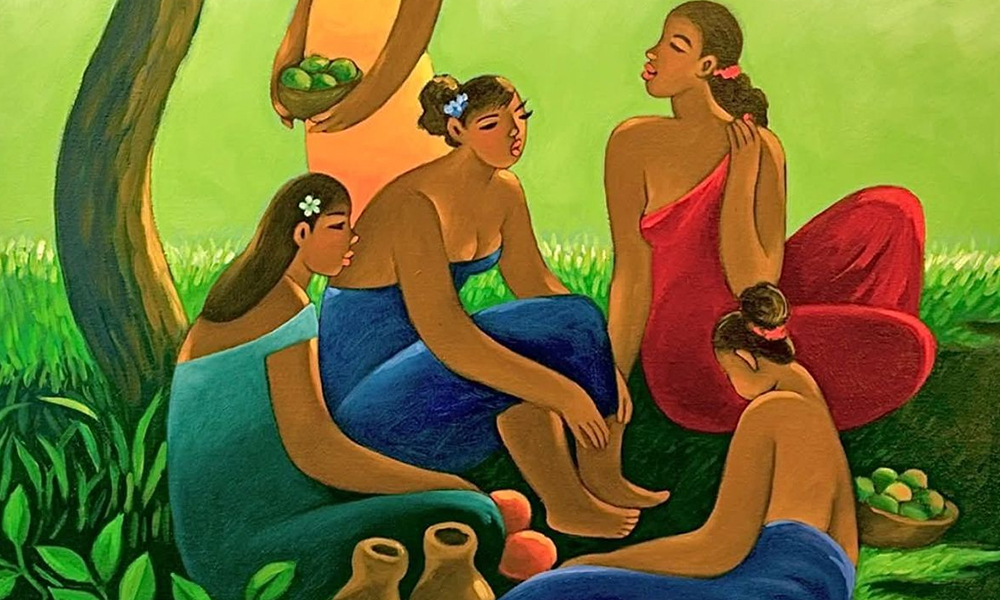
The picture presented in the work by Enwonwu, therefore, could arguably be noted as a depiction of the spirit, identity, and history of the Nigerian people themselves. He combined new techniques with the themes of Africa. The African subjects are depicted with pride in his paintings and artworks.
His works did not only convey physical likeness; they also conveyed emotions, pride, and cultural power. Enwonwu proved that African modern art was as important as the European canon while still managing to be unique. It is this unique blend of both worlds that made Enwonwu’s works great and ageless.
Enwonwu was also a cultural ambassador. Representing Nigeria on the international stage to shape how African art was viewed globally, his role went beyond that of an artist but one that opened doors for future generations of African artists.
Art history also recognizes Enwonwu not just as a name to look out for during auction sales, but also as part of the rise of African art in contemporary time. His art could be seen as a reflection of an era that represents cultural transition.
Such museums, universities, and art institutions need to provide the audience with a context to understand the historical background of Enwonwu’s work so that they are aware of the contribution of the artist.
What ultimately matters about the best work of Ben Enwonwu is not its sale price, but what it signifies. While art lovers may celebrate its sale price, art history has to celebrate its legacy.