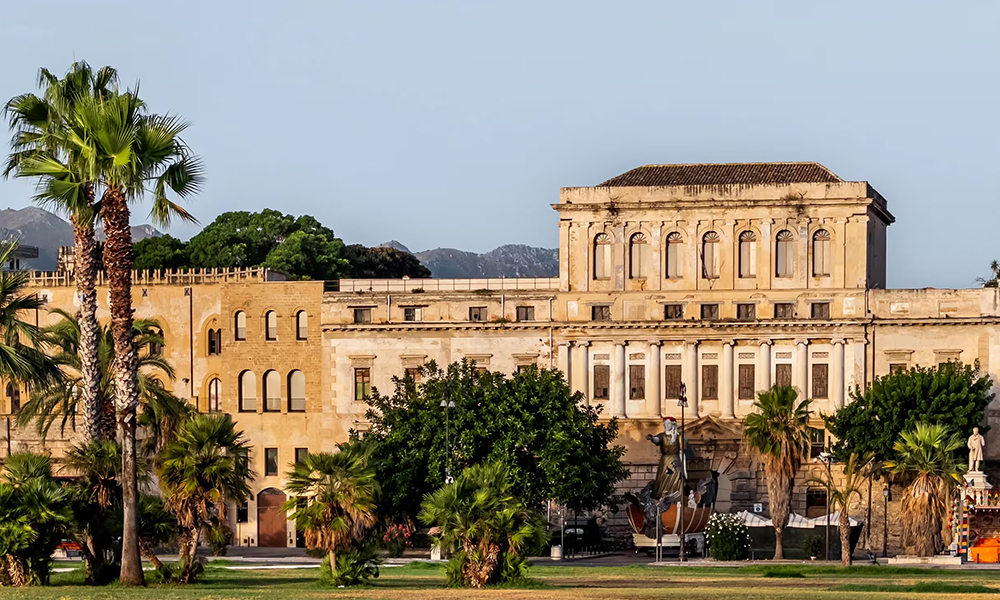

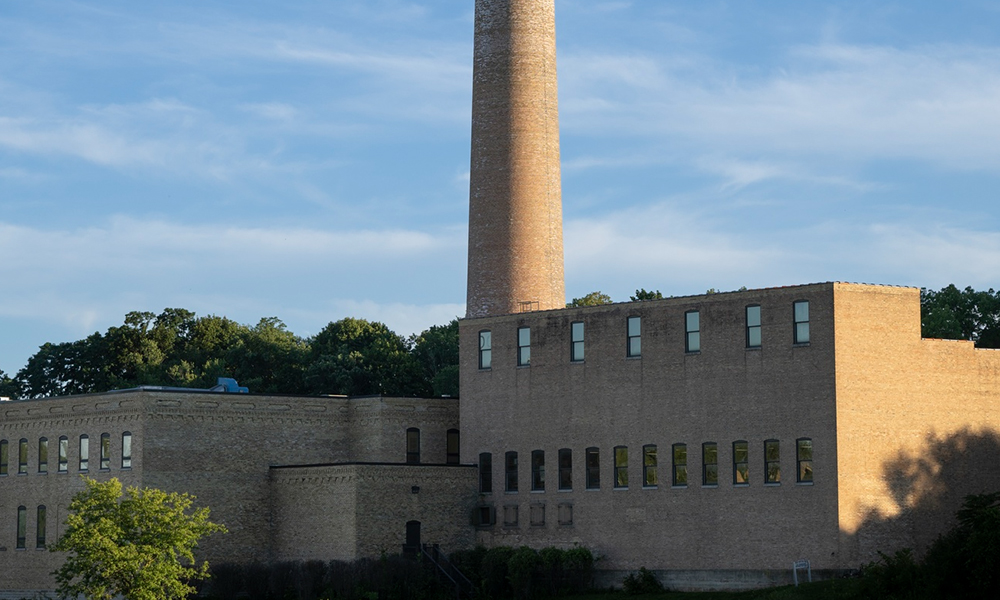

An old coal mine, which is presently located on the outskirts of the town, has remained abandoned for decades. The area has produced income for thousands of employees. Years later, the mine was closed, and deterioration started. The buildings have remained abandoned, depicting its deterioration.
Locals recall the coal mine as the heartbeat of the town since several generations relied on the job opportunities created by the industry. People moved from the town without job opportunities after the industry closed. The abandoned industry later became hazardous and inaccessible to visitors.
The industrial heritage project started by conceiving a vision to restore the historic site and preserve it for the future. The original structures were to be maintained to continue serving another purpose. An innovative effort was made by architects and experts to preserve the original industrial character of the site while leaving space to grow culturally.
Transforming Industrial Space into Cultural Life
The focus of the project was to reuse old buildings and convert them into galleries and performance areas. Some of the previous storage halls were converted into exhibition and community event spaces. Due to the large open spaces, it became a perfect venue for art installations and other cultural festivities, hence giving it another new and useful purpose.
Artists and cultural groups were encouraged to take part in the rejuvenation process. Local artists found space within the refurbished complex to lease studios. They lent vibrancy and life to the abandoned buildings. The area eventually became a hub for artistic cooperation and self-expression.
An educational program was also introduced by the culture hub for the population. Educational institutions started making arrangements for industrial history education by allowing visits from schools for this purpose. Workshops brought young people into contact with artists and historians.
Maintenance of the coal mine’s identity remained a priority throughout. In this direction, the restoration team maintained the machinery and architectural features of the site. Informational media were provided to enlighten the visitors regarding the significance of the site. In this manner, the culture hub maintained its industrial identity.
The renovated form of the coal mine is best appreciated upon a closer look at this successful adaptive reuse story. This abandoned industrial landmark found new life thanks to considerations involving culture and creativity.
This culture hub continues to grow further as more programs and partnerships are on the way. They plan to grow the exhibitions and events featuring international cultural events. It has now come to symbolize not only memory but also possibilities for the region.