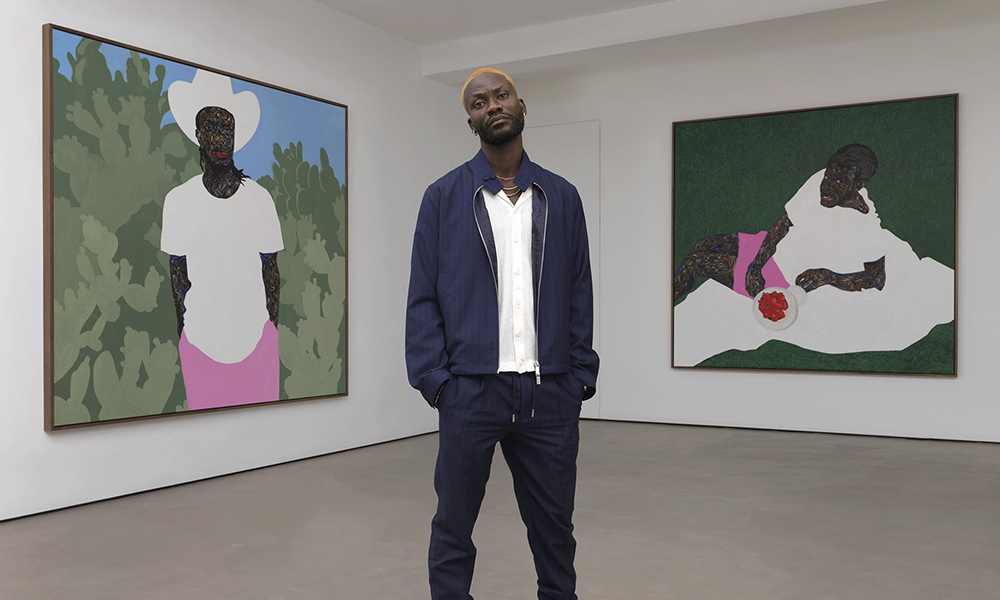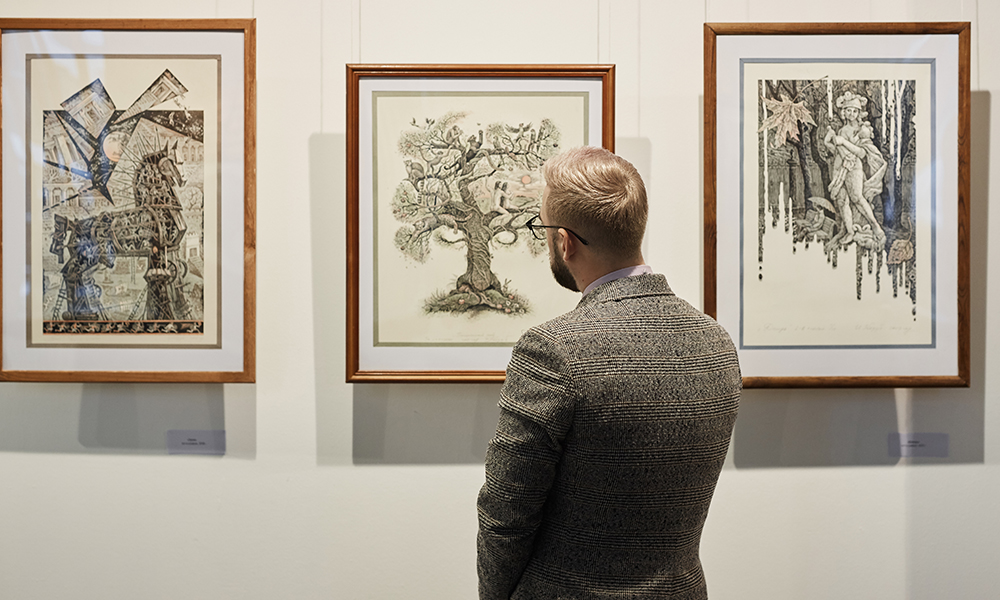

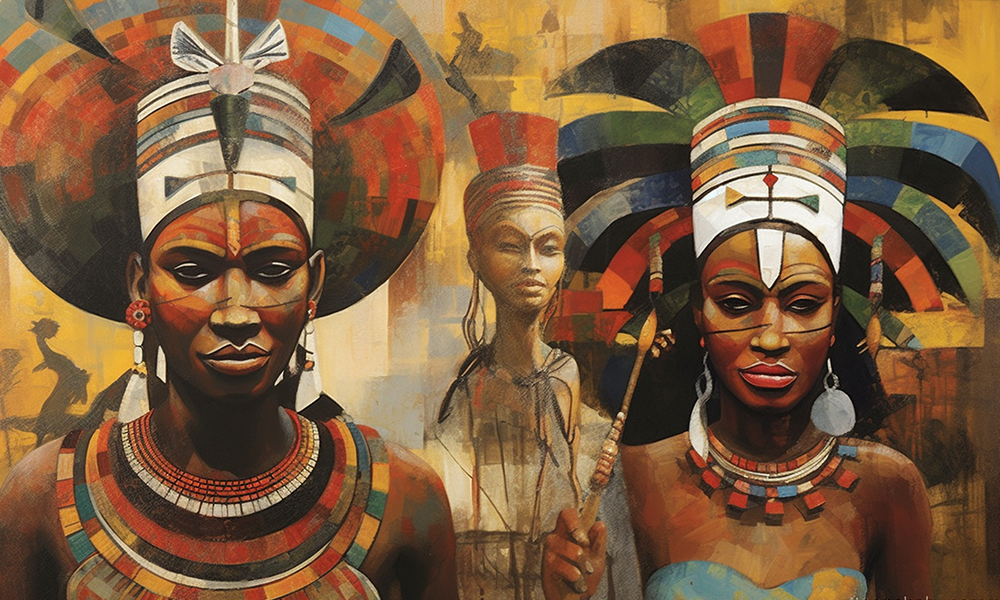

Africa’s art market grows despite economic pressure and regional instability. Collectors help build interest for modern and contemporary African artists. Galleries further entrench connections to reach a wider audience globally. Curators promote new voices across several exhibitions.
Access to African art by global buyers is made available through digital platforms. Artists are reached through online marketplaces. Hybrid exhibitions are used, which include physical exhibitions combined with virtual exhibitions. Curators adapt their methods to maintain market visibility.
Artists achieve a strong career by working together and innovating. Studios save money through collaboration and shared production facilities. They experiment with new materials to cope with supply chain issues.
Growth Drivers and Market Resilience
Dealers expand regional art fairs to anchor market confidence. Organizers develop platforms in Lagos, Accra, Cape Town, and Nairobi. Promoters attract international audiences through curated programs. Events create opportunities for cross-border exchange and sales.
Collectors diversify portfolios across mediums and regions. Advisors guide acquisitions through research and provenance verification. Buyers support photography, sculpture, and digital works. Institutions grow collections to reflect diverse cultural narratives.
Technology platforms make international sales more streamlined in their logistics. Marketplaces handle payment, shipment, and documentation issues. Data tools help develop pricing strategies or predict demands.
Professionals are taught how to be market literate by educators. Workshops are offered on pricing, contracting, and intellectual property issues. Mentors advise creative businesses developing innovative gallery models.
Policy leaders encourage cultural exports and creative enterprise. Agencies promote art as a driver of soft power. Governments simplify customs processes for artworks. Reforms reduce friction for international participation.
Communities invest in cultural districts to anchor urban growth. Cities develop creative hubs to support local economies. Tourism benefits from expanded cultural programming. Audiences engage with contemporary African narratives through exhibitions.
Media platforms amplify visibility for African artists worldwide. Publications spotlight emerging practices and critical discourse. Storytelling builds recognition for regional movements. Coverage helps attract new collectors and institutions.
The market evolves with resilience and collaboration. Leaders make commitments towards growth in all regions. Practitioners focus on long-term value creation. The art economy in Africa is a sign of confidence in the future of art.
You may also like: African art market confronts economic turbulence on the continent