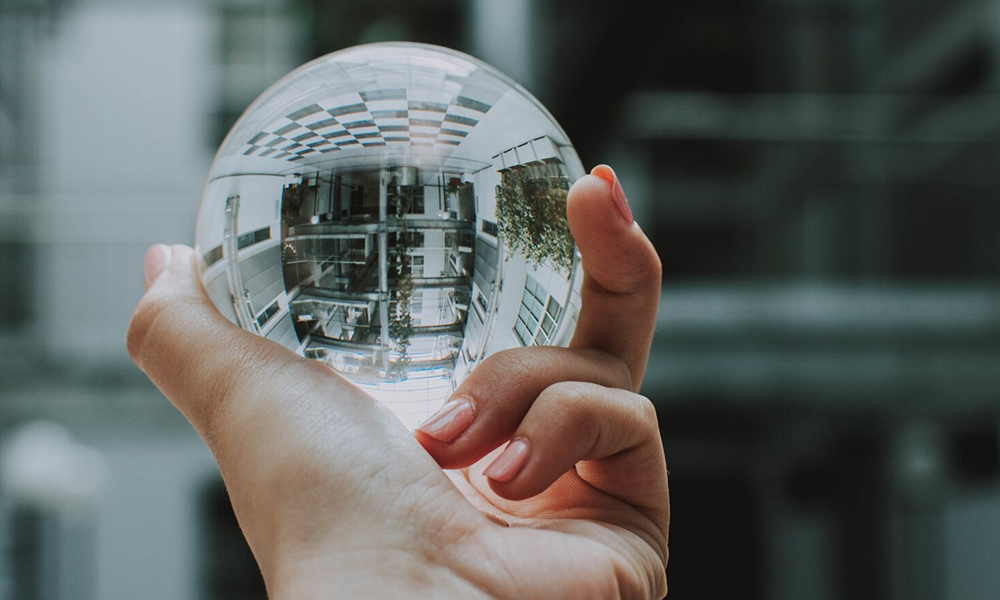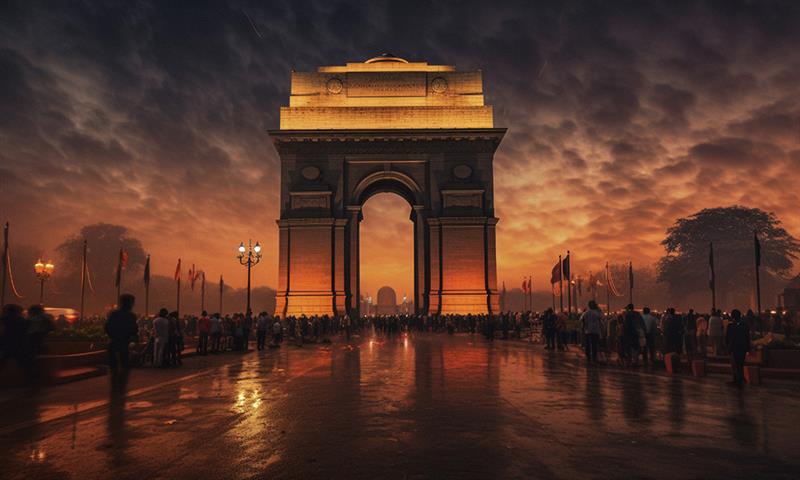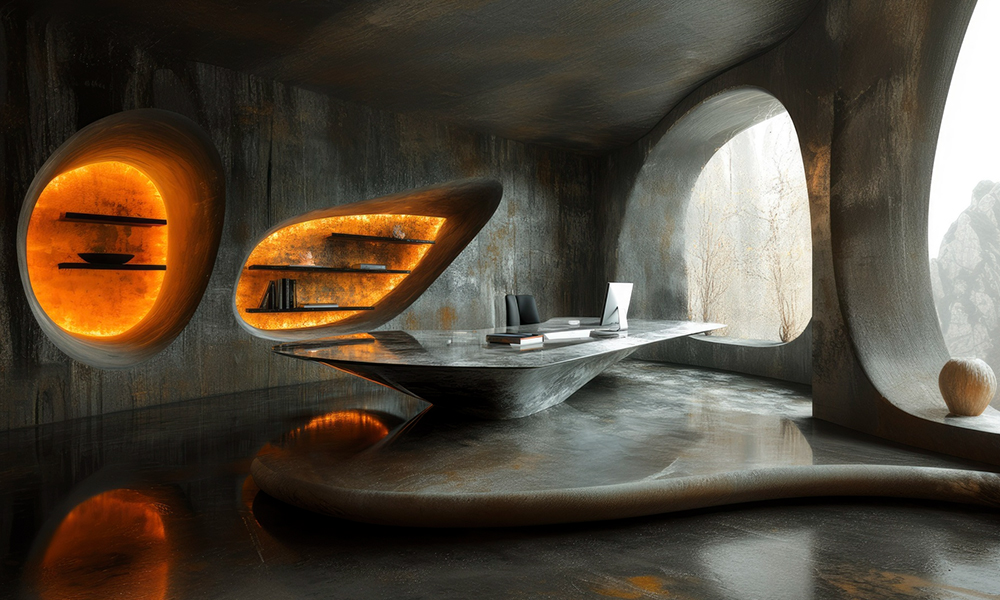

Contemporary art is now being influenced by concepts of transformation, instability, and envisioned futures. In connection with the unfolding developments, the art of Josèfa Ntjam is an engaging investigation of the world that is constantly evolving, adapting, and changing. The basis of Josèfa Ntjam’s art is that all realms of identity, space, and systems relate not to static entities, but are fluid processes defined by time, history, and movement. In this context, the future is envisioned not as an end, but as a space of unceasing transformation.
Mutation is a crucial concept that functions throughout the work of Ntjam. Rather than implying destruction or disjunction by a simple act of mutation, the artist emphasizes adaptation or evolution through these processes. Through narratives that combine cultural memory, technological impact, or ecological understanding, declarative narratives are created that deflect available power from major modes of classification that are: geographical, racial, or disciplinary. So, her work remains dynamic.
This future that is envisioned through this framework is intrinsically unstable. Ambiguity is preferred over clarity, and openness is encouraged instead of being closed to possibilities. By being ambivalent to linear futurism, Ntjam’s practice seems to conform to a contemporary discourse that is trying to shatter linear progression narratives of history in favor of a future that is multiple and being reconstructed through those who live in this future itself.
Fluidity, Identity, and Speculative Futures
Identity is considered in terms of a fluid process, as opposed to a fixed concept. The self in Ntjam’s practice is configured in the light of historical sedimentation, displacement, and technological mediation. Frontiers are deliberately distilled to blur the distinctions between body, environment, and architecture.
fiction, mythologies, and knowledge derived from ancestors are all interwoven in order to provide a tool with which the imagination can shape the future. None of these components are used for escapism but as a tool of critique in order to shape the world of the future in a new way. The future can thus be built by imagination rather than foreseen.
Materiality plays an important role. Digital media, sound, and installation are a few such tools employed in creating immersive environments. These are the spaces to be experienced rather than observed. Viewers are placed within shifting worlds that reinforce the notion that meaning is produced through interaction. Architecture becomes experiential rather than monumental.
Environmental concerns are subtly inlaid within these fluid architectures. The instability of the natural systems is reflected in the instability of constructed worlds. In place of proposing solutions, however, this artwork invites the viewer to ponder the question of the relationship between humanity and the planet. Even the notion of adaptability is conceived in terms of needs rather than preferences.
Ultimately, the Worlds in Mutation series projects a future vision that is always incomplete. Certainty is subjugated by motion, and rigidity by transformation. It is through fluid architectural structures and world-projections that the work of Josèfa Ntjam urges viewers to revisit the way in which future narratives are imagined and whose agency there is in imagining them. By this means, contemporary art is situated as a discourse in which alternative future projections can be imagined, interrogated, and repeatedly revised.