
The global art market has turned into an exciting area in which artists, dealers, collectors, and museums of various global cultures and nations participate actively. Currently, new and old artists are playing vital roles in determining the direction of the market. Though their positions and experiences vary, at each stage of their careers, the global art market presents both opportunities and challenges for artists.
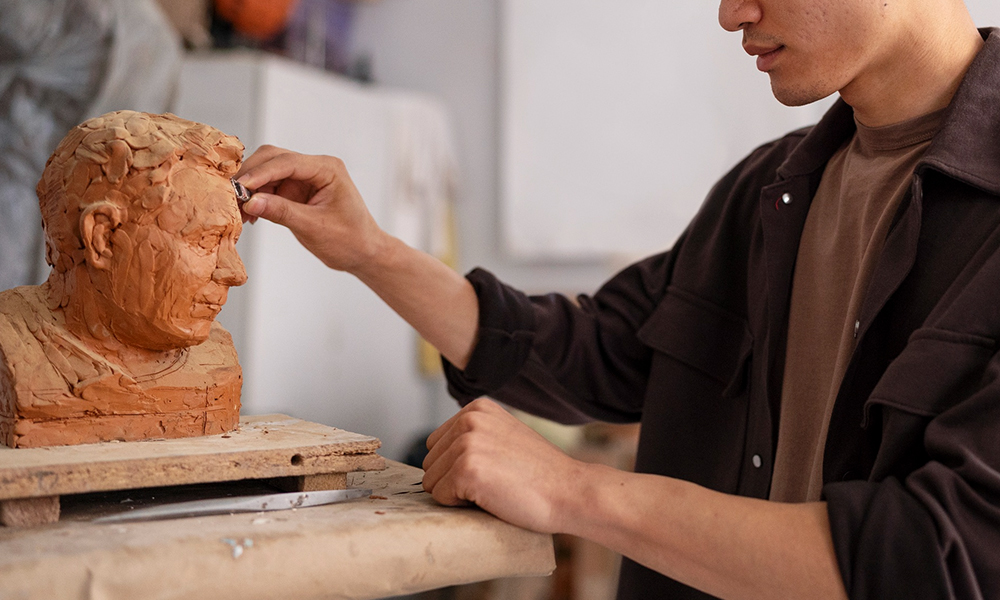
Emerging artists are artists who are in the initial stages of their career as artists. They could have completed their education in a field of art in recent times and begun to showcase their work around the country as well as abroad. To such artists, the international art market is a platform that is within their view, and they can exhibit their work to a wider audience in terms of geographical location.
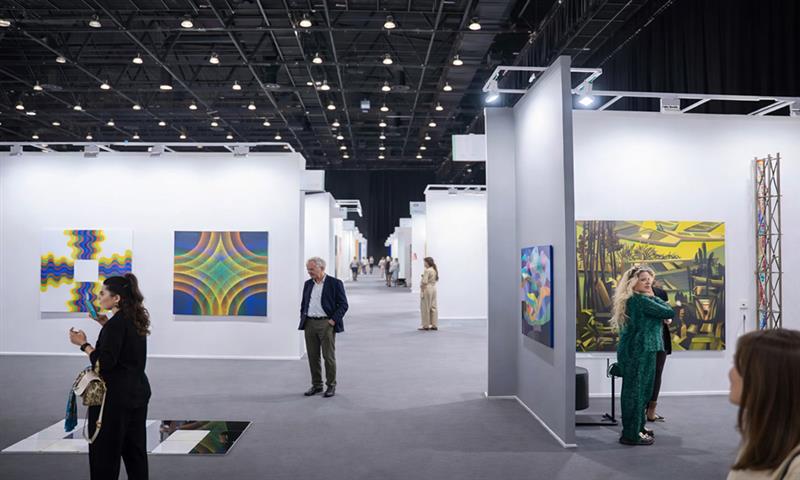
Art fairs and group exhibits allow new artists to reach the audience. This is because art galleries introduce the new comers in an arranged exhibit, which gives the art enthusiast a glimpse into the new thought. Emerging artists, however, may encounter limited financial, unstructured, and competitive support. Recognition, after all, is built slowly, which takes so much time and patience, along with consistent creative effort.
Whereas established artists generally have a longer history of exhibitions, recognition by institutions, and a more stable collectors’ base, their works regularly feature in major galleries, museums, and auction houses. Established artists are in higher demand in the global art market and realize more value. Their works are often considered an investment in culture and finance.
Despite this stability, established artists are not free from challenges. Market expectations can create pressure to maintain a recognizable style or meet demand. Global exposure also brings scrutiny, making artistic growth and experimentation more complex. Even so, established artists often use their position to explore deeper themes, larger projects, and collaborations.
The international art market links new artists and established artists. This is done through common platforms. The international art exhibitions connect artists at various levels of their careers. This interaction between them makes them learn from each other and get inspired. The new artists get knowledge from the established ones. The established ones get updated about the new ideas.
Technology has been an important factor influencing the contemporary art market that has resulted in artists reaching collectors all over the globe either through online viewing rooms, online sales, or online exhibitions. This has opened the market and given artists, particularly younger artists from geographies that have fewer galleries, more opportunities than in previous eras. Furthermore, collectors also hunt for art all over the globe.
The Global Art Market for Emerging and Established Artists is a system by definition that never stands still. A system that holds stable and established artists and innovative emerging artists maintains a dynamic art market which is diverse, competitive, and global.
Ultimately, the international art market is more than a platform to sell artworks. It is a platform for visibility, cultural interaction, and development. Through the support of new and established artists, the market is dynamic, and art will always be relevant, meaningful, and accessible to the whole world.