
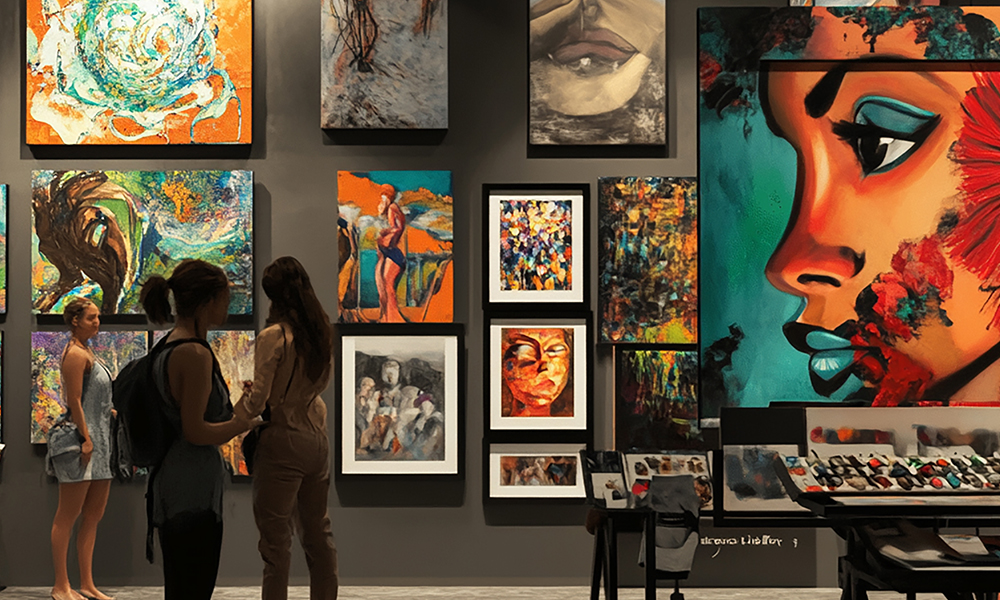

Global art fairs continue to celebrate borderless exchange, yet many US artists feel sidelined within curatorial selections. Market signals point toward international expansion, while domestic representation narrows in high-visibility platforms. This tension reflects shifting priorities across institutions, collectors, and programming teams.
Cosmopolitan Vision, Local Exclusion
Curators prioritize global narratives to signal relevance within an interconnected art economy. Fairs highlight international voices to attract diverse collectors and press. Programs elevate transnational themes to mirror contemporary cultural flows.
Selectors favor established global networks that promise visibility and sales. Gatekeepers lean on familiar international circuits to reduce risk. Institutions amplify global reputations to strengthen brand alignment with cosmopolitan values.
US artists face reduced access to headline platforms despite strong local practices. Emerging voices struggle to secure booth space and curatorial attention. Studios feel pressure to internationalize identities to meet selection criteria.
Dealers advocate for broader inclusion to balance global reach with local depth. Galleries present domestic talent through parallel programs and off-site events. Partnerships propose regional showcases to widen exposure pathways.
Collectors influence outcomes by chasing international trends and blue-chip names. Buyers reward curatorial bets that promise global cachet. Markets reinforce selection patterns through demand signals and price momentum.
Educators encourage curators to rebalance representation without diluting ambition. Programs design open calls to surface overlooked domestic practices. Fellowships support curatorial research within regional scenes.
Institutions pilot hybrid models that pair global headliners with local commissions. Teams test rotating quotas to ensure meaningful domestic presence. Curators build long-term pipelines with US-based studios.
Artists adapt strategies by strengthening cross-border collaborations and residencies. Creators expand networks to access international platforms. A community invests in their ecosystems to maintain practice outside marquee events.
There has to be transparency with regard to selection criteria. Organizers publish clearer guidelines to widen access. Reforms promise a fairer balance between cosmopolitan vision and domestic opportunity.