
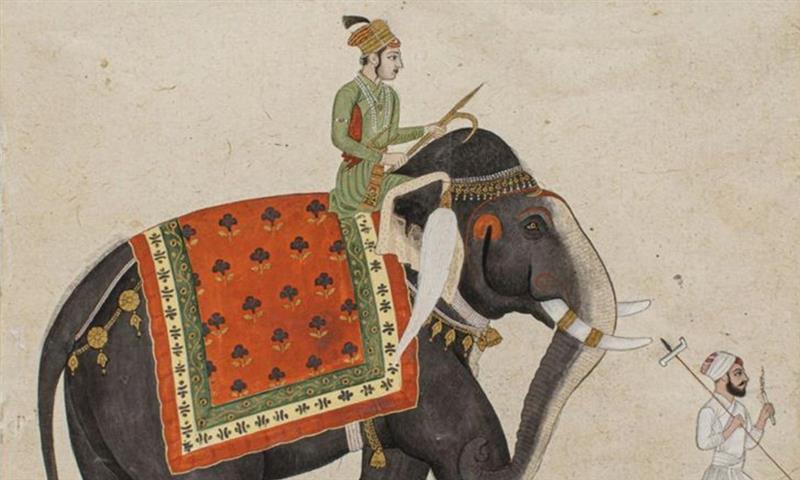

The acquisition of Howard Hodgkin’s collection of art by The Metropolitan Museum of Art is a very significant event in the art world. A collection of art that was previously disregarded is now receiving the recognition that is creating a whole lot of controversy over who gets to define art.
The collection had earlier been declined due to curatorial priorities. Those priorities reflected the perspectives of a different period. At the time, the works were not aligned with prevailing institutional frameworks. As a result, the collection remained outside major museum holdings.
Howard Hodgkin’s artistic career has been long associated with abstraction and emotional expression. His use of color and memory has been widely commented on. However, not all of his work was readily accepted. This is indicative of how selective recognition can occur.
Over time, critical discourse evolved. Broader interpretations of modern art were developed. As a result, the collection was reassessed. Its cultural and historical relevance became more visible. Artistic value is not fixed at the moment of evaluation. Meaning is shaped through time and context. What is rejected in one period may be accepted in another. This acquisition demonstrates that process clearly.
Museums play a powerful role in shaping art history. Their decisions influence visibility and legacy. Acceptance by a major institution reinforces significance. Rejection can delay recognition for decades.
Reconsidering Rejection, Value, and Institutional Authority
Rejection has been a recurring part of art history. Many significant works were initially overlooked. Such decisions were often shaped by limited frameworks. Quality, to some extent, was overshadowed by context. Museums are not neutral spaces. Their collections reflect institutional priorities and power structures. Inclusion and exclusion actively shape historical narratives. This acquisition makes that influence visible.
By accepting the Hodgkin collection, the museum demonstrates openness to revision. Past decisions are not treated as final. Cultural understanding is allowed to evolve. Art history is shown as flexible rather than fixed. The placement of the collection within a global museum alters its reception. New audiences are reached. Scholarly engagement is encouraged. The work gains institutional permanence.
Museum validation also influences the art market. Cultural legitimacy is reinforced through acquisition. Academic interest often follows. Value is strengthened through recognition. This moment carries symbolic meaning for artists and collectors. Rejection is not shown as failure. Recognition may arrive later. Artistic relevance is not determined immediately.
The acquisition also highlights responsibility. Institutions are reminded to reassess earlier exclusions. Broader and more inclusive histories are encouraged. Authority is questioned through reflection.
Ultimately, this event affirms that art history remains open to change. Institutional judgments can be revised. Overlooked works can regain visibility. A rejected collection has now secured its place within the global art canon.