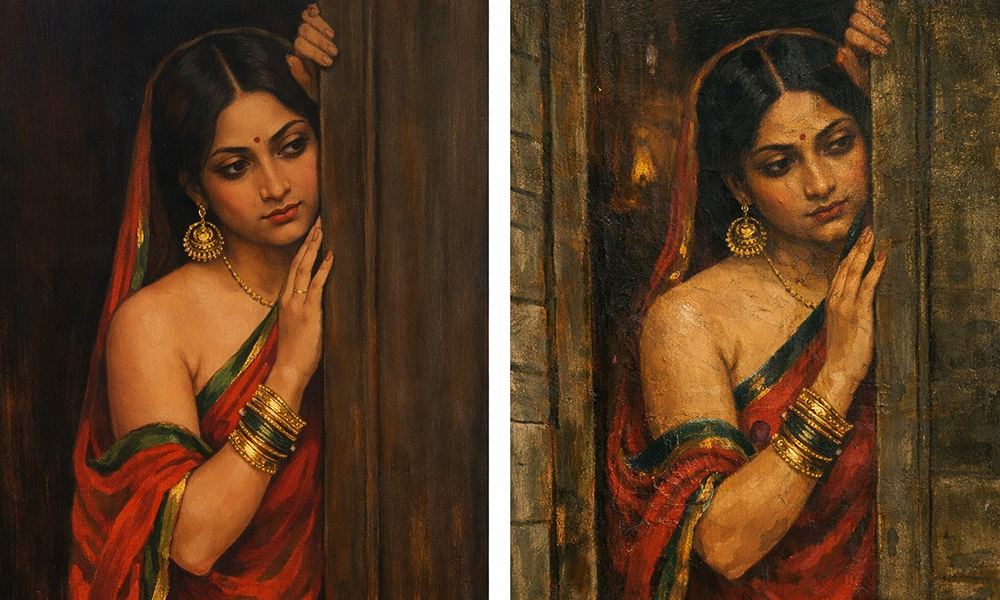

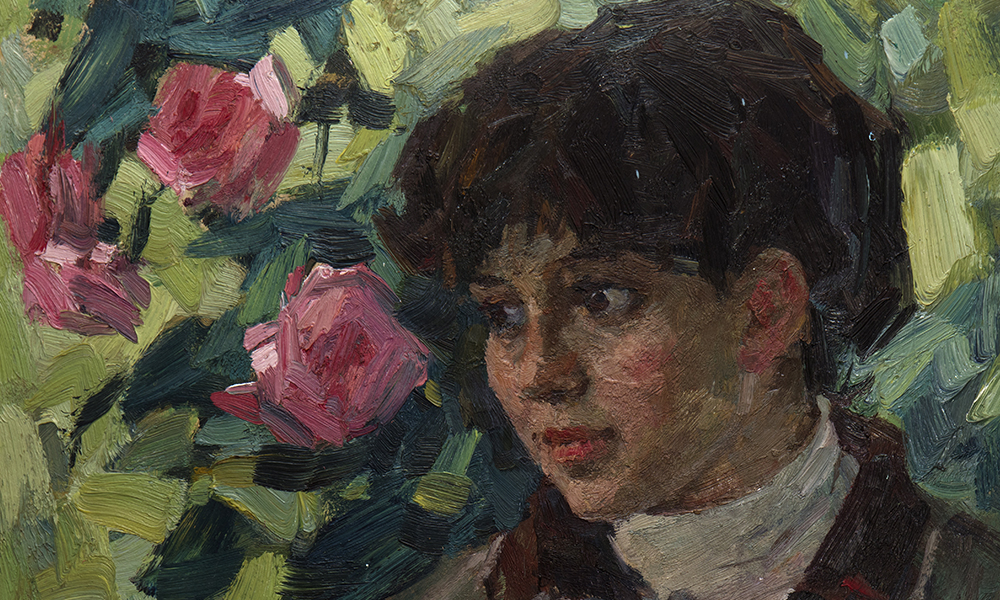

In Mexico City, an important exhibition focuses on the shared culture between American and Southeast Asian people. In this exhibition, various artworks, which share common histories between different oceans and continents, are displayed. In addition, visitors are able to learn and understand the role of movement in the development of art forms through shared histories.
The exhibition features historical pieces alongside contemporary work. The archives are reinterpreted in a modern style. It is a way to experience how different cultures change as they meet and overlap. It is a reflective experience.
Various scholars have backed the exhibition using their scholarly works concerning trade routes, as well as human migrations. According to these works, there is a connection between the ports, travelers, and craftsmen based on the information stored as history.
Designers have created engaging environments that lead patrons on a journey through rich histories. Lighting features textures and surface qualities of the works. Titles provide informative histories and cultural context properly.
Curators Shape Dialogue Through Art and History
Curators frame the exhibition around themes of movement, labor, and ritual. Thematic sections reveal how exchange influenced everyday life. The approach connects social history with visual culture. The story aids comprehension of cross-cultural relationships.
Educators schedule students as well as the community at large for guided tours. Programmes give individuals an opportunity to learn about the history of the world through the use of visual storytelling. Workshops present individuals with an opportunity to experience different crafts first-hand.
They partner with institutions from Southeast Asia to promote accuracy. Cultural context and historical insights are provided by these advisors. Such institutions foster trust and ethical representation. Cooperation adds richness to the curatorial perspective.
Communities take part in talks, performances, and demonstrations. Practitioners teach techniques learned from the cross-oceanic influences. The events promote understanding between the cultures.
Critics recognize the exhibition for expanding global art narratives. Reviews highlight non-Western routes of artistic circulation. The show challenges narrow historical frameworks. The perspective broadens understanding of interconnected histories.
You may also like: ArtAttest by LutinX, the future of Security for Artwork and Design
Organizers host public lectures to extend the exhibition’s themes. Speakers discuss migration, diaspora, and cultural memory. Conversations connect historical exchange with modern globalization. The dialogue sustains relevance beyond the gallery walls.
Visitors leave with renewed awareness of shared cultural pathways. The exhibition affirms how creativity travels across borders. Curators invite reflection on connection as a creative force. The show encourages ongoing dialogue between regions and histories.