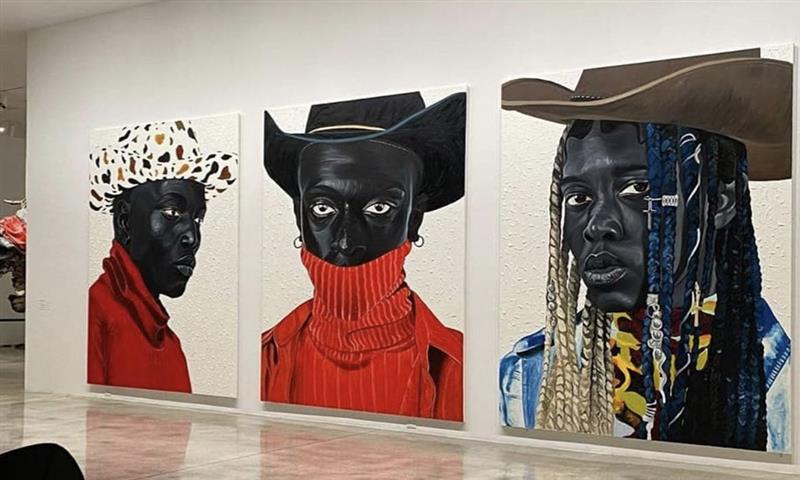

The Lagos Art Fair has shown great determination by achieving double-digit growth despite the ongoing uncertain economy. While many creative sectors across the globe are currently reeling from inflation, currency fluctuations and declining patronage by consumers, the success of the fair tells us that Nigeria’s art ecosystem is strong and that there continues to be greater demand for African Contemporary Art from all corners of the earth.
The Lagos Art Fair is developing into one of the top events in West Africa that promotes culture and is creating a future with strong possibilities for the continued success of the art community both within the fair and in the individual sectors responsible for creating art, such as artists, collectors, galleries and sponsors.
Additionally, the continued growth of Lagos as both an economic and cultural hub and as the largest city on the African continent has allowed it to attract creative talent, capital and audience from around the world. The Fair represents a critical link for local artists to connect with international audiences providing artists with additional exposure and opportunity for their work.
Artists and Collectors Drive Market Confidence
The growth of the Lagos Art Fair is a result of the combined efforts of artists and collectors, both established and emerging. artists presenting different types of artwork such as sculpture, paintings, mixed media, and digital art that attracted a much broader audience and encouraged people to engage with artworks from all price ranges.
Collectors, globally, who engage in buying at a level of enthusiasm that continues despite the negative perspective associated with the global economy. Many collectors feel that their purchases of art are an investment and hedge against future unknowns; hence, the continued consumer demand for art serve as a confidence builder in the Nigerian art market investment.
Galleries leveraged this opportunity by strategically curating price points to be more affordable for collectors, and offering flexible payment plans, allowing collectors to access ownership of art and supporting sales volume throughout the event.
Lagos Art Fair growth, African contemporary art market, and Nigerian art industry resilience strategically fit into the narrative; as there is an increasing number of searches for these terms online.
Digital visibility further amplified the fair’s reach.Social media campaigns, and other digital engagement tools helped bring in additional attendees who could not come physically to the event. Being able to use a digital-first strategy was an important part of keeping up with the times and increasing the footprint of the fair.
Increased digital presence helped to broaden the exhibition’s audience. Through the benefits of social media, online previews and virtual engagement tools, there were more visitors to the fair than just those who attended physically. Using a digital-first method is critical to stay current and expand the exhibition’s reach.
The successful transformation of the Lagos Art Fair shows how being flexible, having a strong community to support you and growing interest in modern African art worldwide can lead to double-digit attendance growth, even during difficult times. The Lagos Art Fair illustrates the ability of creativity combined with planning to achieve growth.