
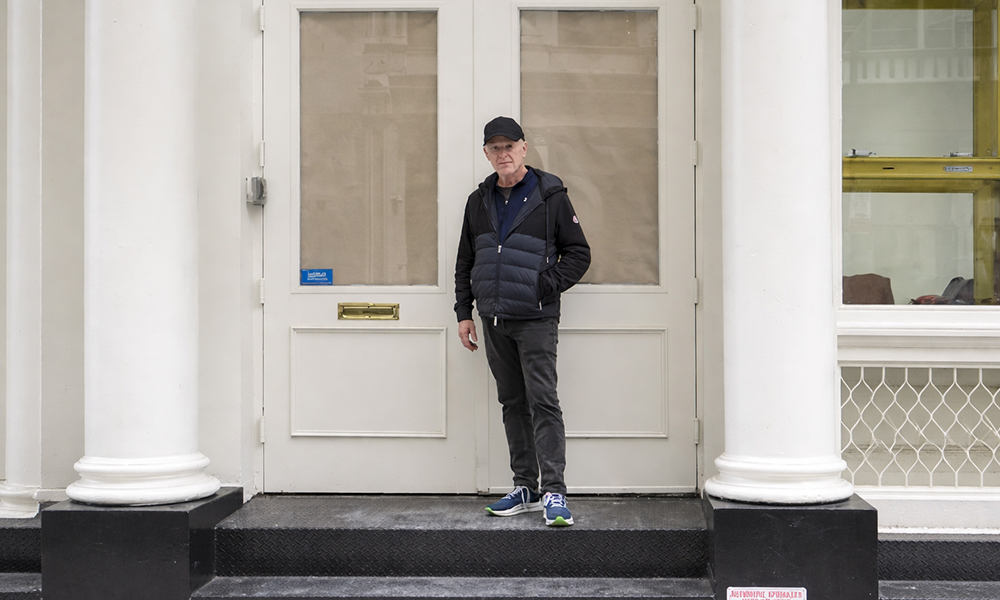

Marc Straus gained recognition for being a committed and intelligent collector of art. As time passed, Marc moved from being a collector to being a dealer with the decision making process giving him deeper insights into the mechanics of the market place.
He feels there are structural issues with the gallery model. He contends that the high costs of rent and participation in art fairs, as well as staffing expense, create constant financial stress and that many dealers are unable to sustain stability as a result.
As a collector he assessed the artwork based upon the vision or the intent of the artist and the quality of the art. As a dealer, Marc currently manages the risk associated with logistics and finances. This shift changed his perspective. He sees how operational burdens affect artistic decisions.
Questioning the Gallery Structure
Straus explains that relationships matter more than physical spaces. He believes direct communication builds stronger trust between artists and buyers. In many artist interviews, creators express the need for transparency and flexibility. They want partnerships instead of rigid representation models.
He also notes that the digital era has changed buying behavior. Collectors research online before visiting exhibitions. Digital previews influence final decisions. The traditional gallery format has not fully adapted to this transformation.
Curators also share similar concerns. In several curator interviews, professionals highlight how commercial expectations can shape programming. They explain that financial survival sometimes affects curatorial independence. Straus believes a lighter and more flexible dealing model can reduce this pressure.
Straus does not reject galleries entirely. Instead, he challenges their outdated structure. He proposes smaller, project-based exhibitions. He encourages collaborations instead of permanent expensive spaces. This strategy reduces overhead and increases creative freedom.
He emphasizes that innovation must support artists. Dealers should focus on nurturing careers rather than chasing trends. They should build community through open art world conversations. Dialogue strengthens credibility and long-term trust.
Straus encourages honest evaluation of the gallery business. He contends that change must be embraced in order for advancement to occur. Lower operating expenses, better connections between entities, and flexible approaches to the marketplace will create entirely new markets.
Making observations provides opportunity for dialogue and allows for movement in the world of Art. Critical thinking and open discussions between all those involved with an Artist will allow Art to move forward. Innovations can cause discomfort, but they arise from critique.
Marc Straus’s philosophy may strain conventional wisdom, yet it will facilitate positive advancement. Straus speaks with clarity about both he, as a collector, as well as a dealer. By working together to have meaningful conversations about various aspects of the marketplace, art has the potential to develop a more resilient future.