
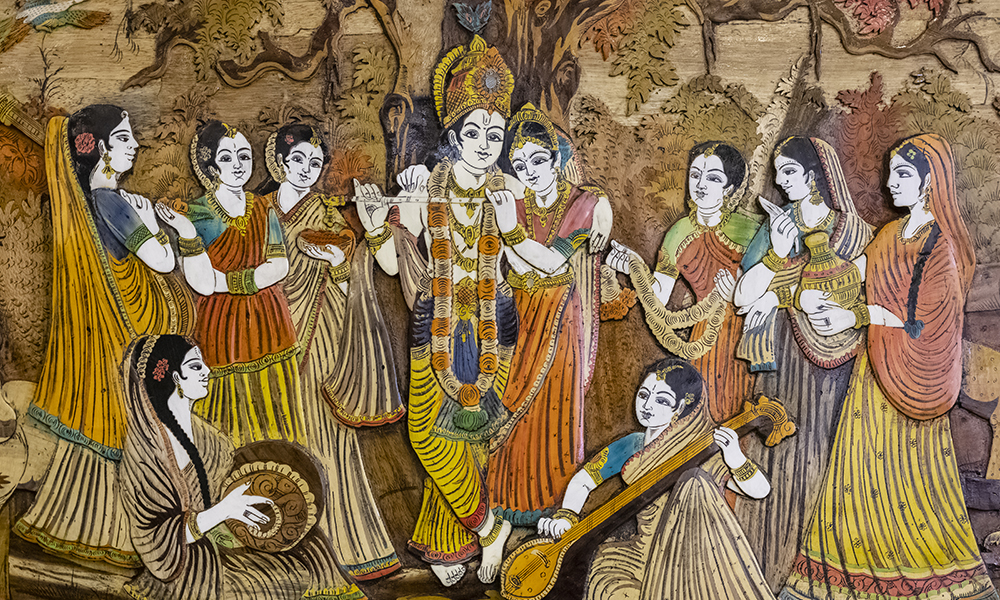

The British Museum has developed a new exhibit, which examines the common aspects of three ancient religions of India. The exhibit is conceived through objects, texts, and sculptures. The museum highlights the construction of spiritual traditions through dialogue.
Scholars draw upon history to connect with the living through the galleries. The display explains Hinduism, Buddhism, and Jainism to the reader. The history is focused on the concept of continuous religion through the ages.
The institution situated the exhibition as part of a global dialogue about faith and heritage. Curators acknowledge the complexity of religious histories. The museum invites reflection on how traditions grow through shared ideas.
Shared Origins and Cultural Dialogue
Curators trace philosophical links across the three traditions. The exhibition presents concepts such as karma, nonviolence, and liberation. Scholars explain how communities shaped these ideas over time.
Designers guide visitors through thematic sections with clear visual cues. The layout encourages slow looking and careful reading. The space supports focused engagement with each object.
Conservators protect fragile manuscripts and stone sculptures during display. The team applies preservation methods to ensure long-term safety. The museum prioritizes ethical care for sacred materials.
Educators build public programs around the exhibition themes. Talks connect historical context with present-day practice. Workshops support inclusive learning for diverse audiences.
Researchers collaborate with regional experts and cultural advisors. The team reviews interpretation for accuracy and respect. The process strengthens trust with source communities.
Visitors encounter objects that traveled across regions and eras. The exhibition explains how trade and pilgrimage shaped artistic forms. The galleries reveal how ideas crossed borders through people.
The museum supports access through multilingual labels and digital guides. Tools assist visitors with varied learning needs. The approach broadens participation across age groups.
Communities respond to the exhibition with dialogue and debate. The program hosts conversations on shared heritage and difference. The museum fosters respectful exchange across faiths.
The institution commits to continued scholarship beyond the exhibition. Partnerships expand future research and co-curation projects. The museum mentions the exhibition as part of their strategy.
The viewers will have a better understanding of the interconnection of traditions. The exhibition affirms shared roots without flattening difference. The project strengthens cultural literacy through thoughtful presentation.