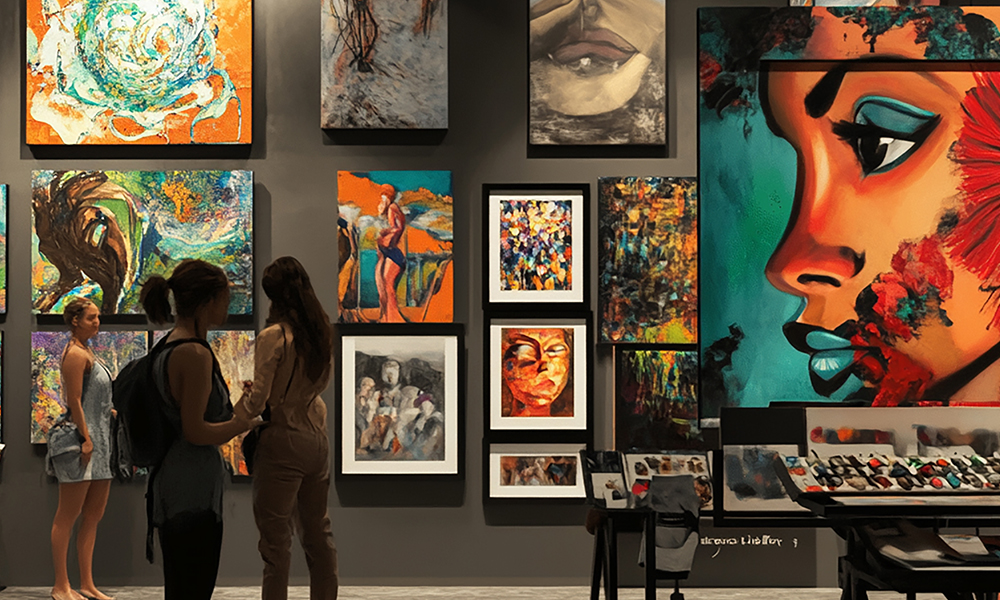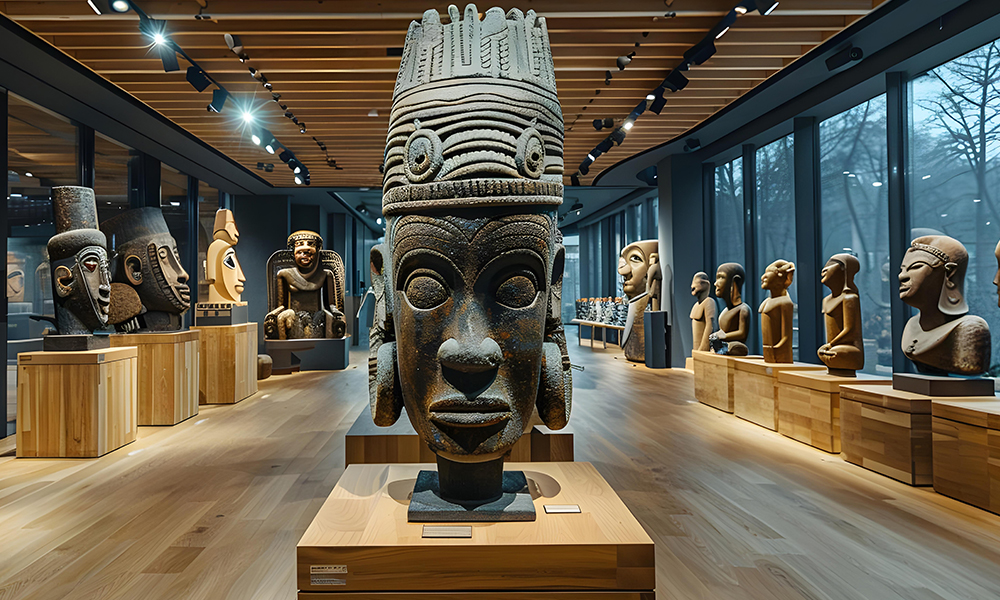

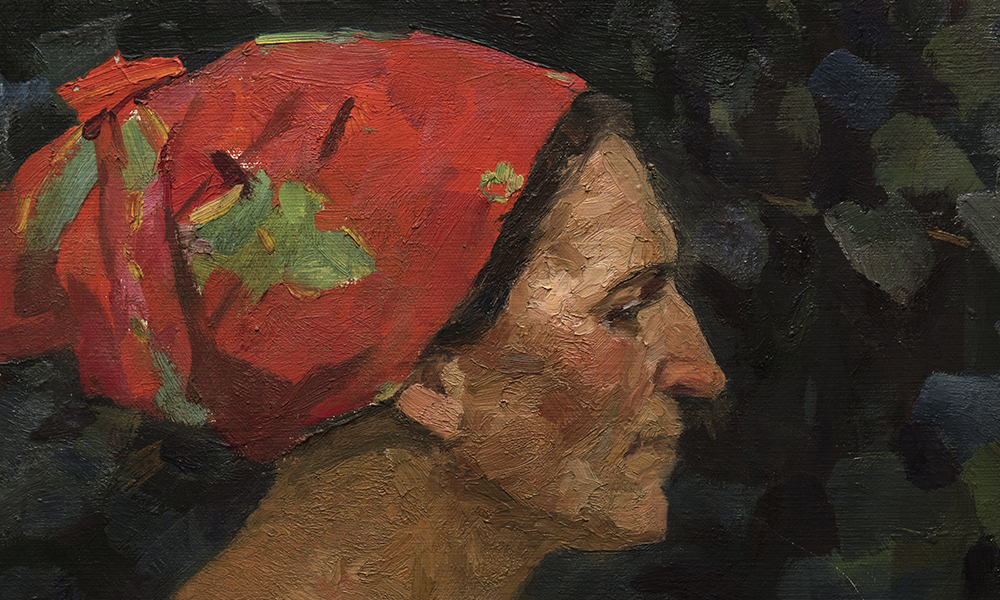

Global demand for African art drives strong growth for South African auction houses. Collectors increase interest in modern and contemporary African works. International buyers expand participation across major sales. Auction houses report near-record results despite market volatility.
Economic uncertainty is a test for all global buyers and sellers. Changes in currencies influence bidding and setting reserves. Political conditions impact trade between countries. Auction houses modify their operations to build buyer confidence.
The digital platforms extend the auction to global bidders. They also attract new collectors. The online auction platform captures younger people. It also captures new auction participants. Marketing teams provide artist stories to create trust. Technology provides efficiency to these auctions.
Sellers are able to attract competitive bids on prominent pieces by auction houses. Estates consign significant works to meet demand. Individuals consign on a selective basis to gauge collector demand. Auction houses carefully orchestrate sale strategies to maximize return on investment.
Momentum Builds as Market Headwinds Persist
Auctioneers manage volatility with disciplined sale structures. Specialists stagger major consignments across seasons. Teams adjust estimates to reflect cautious buyer sentiment. Houses protect liquidity through conservative financial planning.
Galleries collaborate with auction houses to support artist visibility. Curators elevate underrepresented voices across regional scenes. Scholars contribute context to strengthen buyer understanding. Partnerships expand networks across Africa and the global diaspora.
Buyers pursue quality with informed selectivity and long-term focus. New collectors enter through accessible price tiers and online rooms. Seasoned patrons anchor headline lots with confident bids. Advisors support clients with research-driven guidance.
Logistics teams streamline shipping and compliance across jurisdictions. Legal teams ensure adherence to evolving trade regulations. Operations staff improve timelines to reduce transaction friction. Service teams enhance post-sale support for international clients.
Media coverage amplifies market momentum and cultural relevance. Critics frame African art within global contemporary discourse. Storytellers highlight artist innovation and historical continuity. Public attention fuels sustained demand beyond peak seasons.
Institutions are expanding the acquisition program to match the breadth of African narratives. Foundations offer grants for research and conservation projects. Museums are developing plans for exhibitions with the purpose of engaging the public.
Market leaders place great stress on ethics and transparency while conducting their sourcing approaches. They strictly regulate their sourcing criteria. Houses publish their policy to build trust for their houses. They align their stakeholders to achieve sustainable growth.
The development of the market is based on resilience and strategic adaptation. Leadership entails investments such as talent, technology, and partnerships. Leadership invests in talent, technology, and partnerships. Communities promote artists through equitable representation. The market positions itself for sustained growth through ongoing uncertainty.
More Explore: AI helps to reconstruct Climabue basilica masterpieces shattered