

Human society is much more than what is preserved in history. This is what is found in monuments, artifacts, and history that is passed down over generations. _Echoes of Civilization Through Time_ explores how one is reminded of their inheritance and how human societies have evolved over the years.
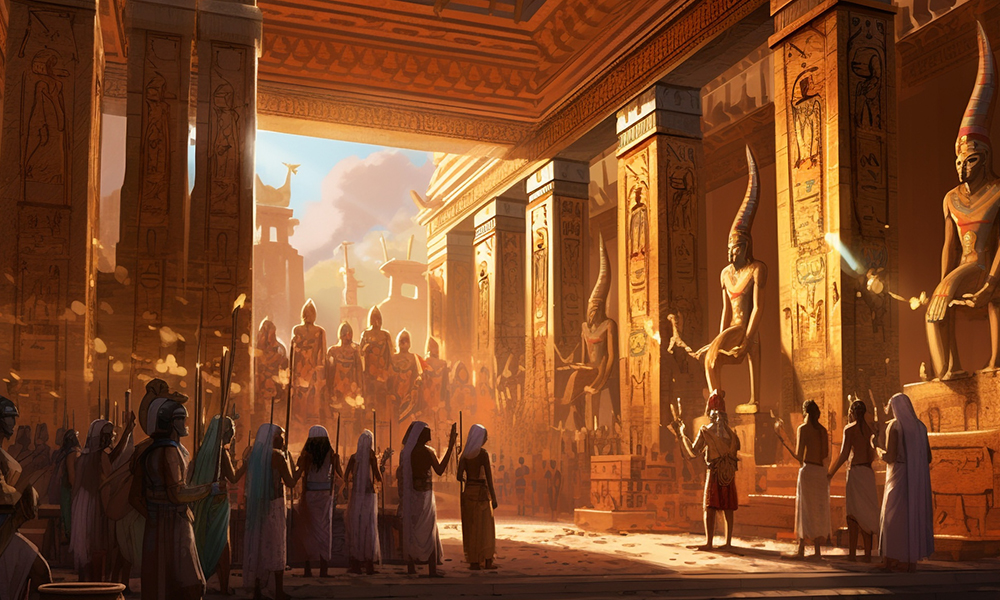
The civilizations have risen and fallen, but what is left behind is only in stone, art, language, and tradition These ancient architectural structures with indications of past seasons stand as silent witness to the human ambition, the human credibility, and the human capability.
Historical sites and museums also form an essential part of the process of ensuring that these whispers continue to exist and make their way through the ages. It is within the museums that these objects of daily life get a whole new dimension—to tell stories. Pieces of pots, manuscripts, statues, and musical instruments appear as lifeless objects.
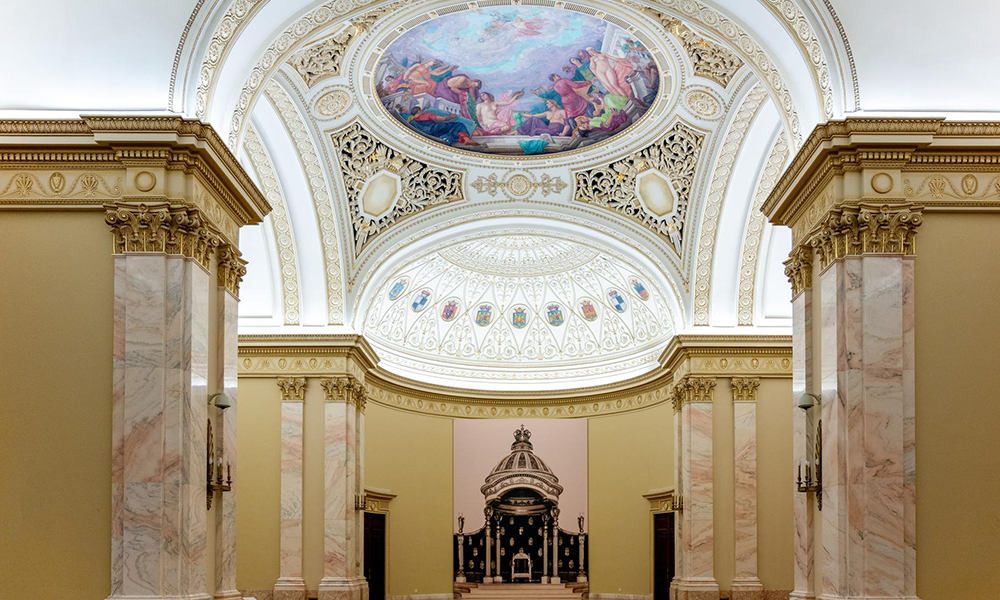
Architecture is another exemplary showcase of this continuity. The use of stone, arches, columns, and carvings in buildings signifies more than just good artistic tastes; it also speaks of the level of technology. Even in ruins, which are nothing short of incomplete constructions, there is meaning in the silence.
Cultural heritage is more than just what is left behind to be found. Customs, traditions, singing, and stories are examples of what is left behind in terms of intangible echoes of society. These practices are maintained through memory, repetition, finding ways to keep them alive in modern society while remaining much the same.
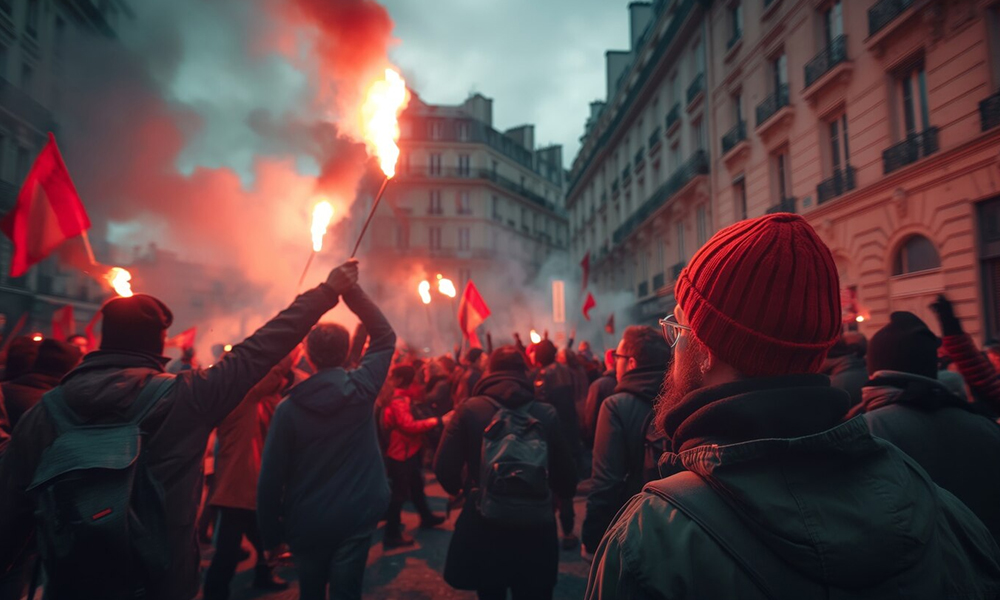
Time itself shapes how civilization is remembered. Layers of history overlap, with newer structures rising beside ancient foundations. This coexistence underlines the continuous dialogue between humanity and its past. Most modern cities grow out of historic cores—visual contrasts between glass and steel, and weathered stone.
Photographic and visual documentation are the newfangled tools to preserve these echoes. It is with keen observation that a photographer captures those moments of people interacting with heritage spaces: a visitor studying an artifact, sun rays falling across an old wall, or a detail worn smooth by countless hands-all become modern frames that honor ancient narratives.
Echoes of Civilization Through Time ultimately conjures reflection-to look at history, to slow down, and listen to what it’s saying in hushed tones. These echoes remind one that the present was shaped by umpteen lives before us, that in preservation we are not just safeguarding objects; we safeguard connections.
Understanding and caring for such marks left by civilization secure continuity that their voices keep rumbling to guide future human life through what history has learned.