

Artificial Intelligence in art continues to grow due in part to how it is changing artists’ approach to creating, experiencing, and understanding the overall shape of art. With the increased utilization of AI tools by artists, conversations regarding the place of AI artists in the greater context of the creative landscape continues to evolve. The oppositional nature of the terms evident within them reflects deeper philosophical questions about ideals associated with authorship, originality and interruption within contemporary art.
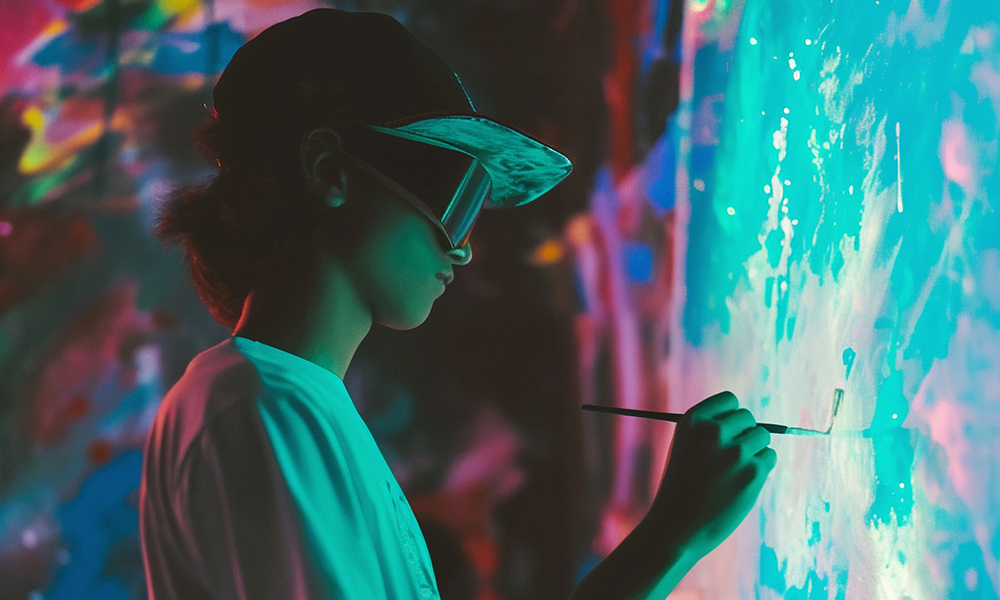
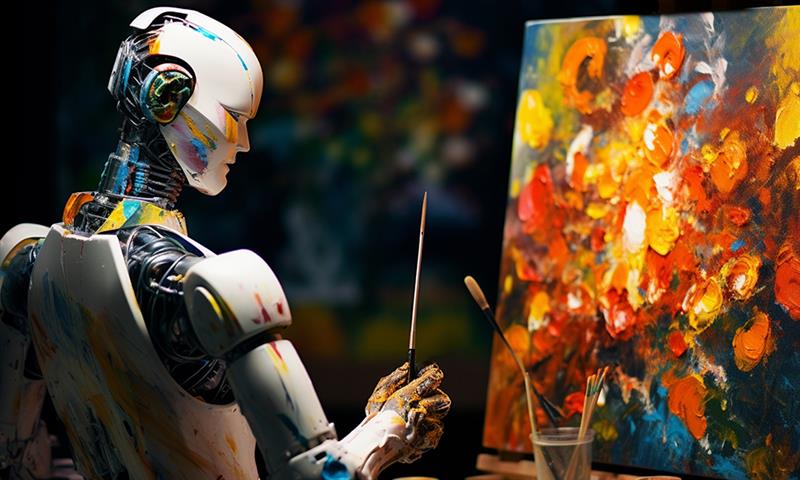
AI artists are considered as Builders, because through their creativity they make use of advances in technology to create innovative and newly defined forms of artistic expression. By training these models, writing prompts to create datasets, and shaping the datasets themselves, AI artists assemble the tools and frameworks needed to create (or generate) images, sounds, texts, etc., with an AI system. The AI artist’s level of creative intent and technical knowledge also impacts their role as a builder.
With this practice of building within the art world, AI artists carry forth ideas and push the creative “envelope.” With the ability to visualize concepts at a higher scale , accelerate their processes and the engaged iterations of creative exploration, AI artists will contribute to the continuum of artistic evolution rather than displace it.
Traditional views of originality, the level of skill required, and the nature of labor are put into question through their work. The fast creation of images by machines undermines previously held beliefs regarding the importance of time, the development of mastery, and the concept of authorship.
Building and Breaking at the Same Time
Most AI artists walk the line between building and destroying. They build better ways of creating while simultaneously destroying previous ways of creating. This is true with most forms of innovation; we create new things, and in doing so, we disrupt the ways in which we already created those things.
Artwork created by AI artists also is forcing organizations to rethink what it means to be involved in the creative process. Museums, galleries, and markets must now re-evaluate how they see artists who blend human and machine authorship in their work. This will force a new approach by museums, galleries.
As with most artists, experimentation is a major part of the creative process for many AI artists. For some, AI is not simply a tool used to create; rather. AI artists expose the limitations, biases, and imperfections of AI systems, thus breaking the illusion that technology is neutral and creating an awareness of art.
Audiences are drawn to the technology, but over time the emphasis shifts towards understanding the intention, context and meaning of their work. This has been similar to the transition in how photography and digital art were first seen as disruptive but have become accepted as valid forms of expression.
Only seeing AI artists as makers or breakers makes them one-dimensional. Their work contains both the development of new ideas and the challenge to existing paradigms. This duality reflects how AI will impact humanity.
AI artists represent a transitional space. They create new tools for creative expression and at the same time challenge our perception of what art is. It is within this spectrum that they challenge our perspective on creativity within an environment where human and machine intelligence co-exist.