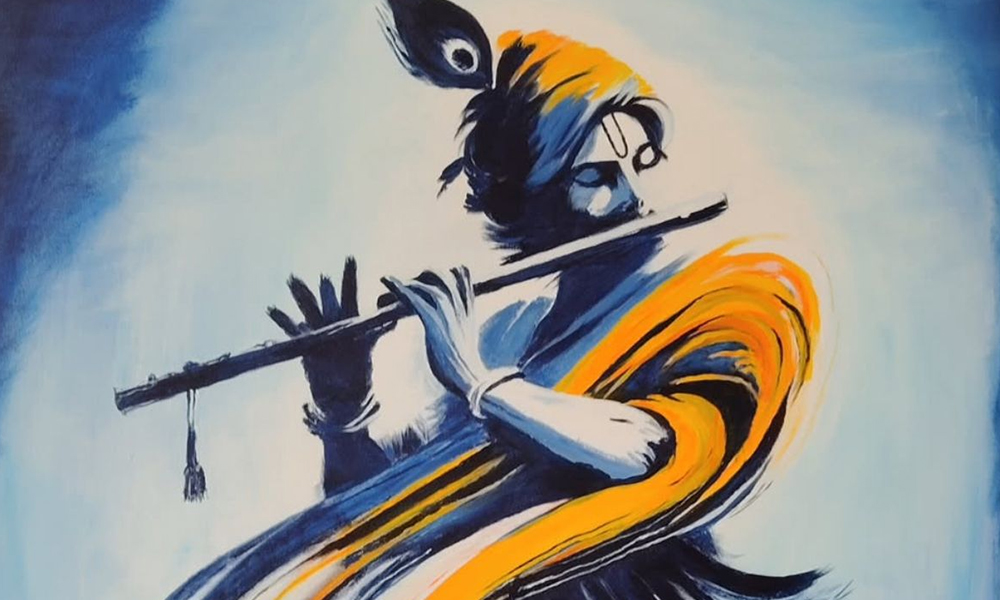

University exhibitions have been traditionally perceived to provide a forum to showcase creativity, originality, and culture. However, Lack of authenticity of the Indian artwork and other items exhibited in a university exhibition. Concerns raised by students, faculty, and visitors regarding the originality, representation of culture, and the responsibilities of an academic institution have led to a growing debate about originality and cultural representation.
The University Exhibition was held as a venue for showcasing some of the various examples of Indian art, design and research projects. The exhibition was of great interest to the community as it aspired to highlight examples of Indian culture. However, many people raised valid concerns about whether the artwork was authentic and whether it demonstrated true and innovative Indian creativity or whether the pieces were heavily influenced or copied from other sources.
This situation has raised important concerns about ethical practices in academic and creative spaces.
Experts Question Originality of Exhibited Works
Several experts and observers raised the issue of similarity between exhibited works of art to works previously published on the Internet or displayed in other parts of the world, doubts have been expressed about the originality and authenticity of the works being exhibited. Several of these works were created using a previously-created piece of art.
Faculty members at the universities participating in the exhibitions have stated that it is critical for them to adhere to strict standards of academic and creative honesty. Exhibitions serve two purposes: first, to provide a public venue for individuals to experience works of art, and second, to provide a venue for students to learn.
Students that attended the exhibit were mixed regarding their thoughts. Some defended the works on display as being “inspired by” other forms of art while others believed it was a thin line between being inspired by art vs. imitating works – stating that true Indian Art should be representative of how an artist views the world, and based on their own experiences, culture and history.
The entire incident has sparked discussion about the need for plagiarism screening in the creative arts. It is much more difficult to appropriately assess visual and artistic works compared to written research. Therefore, many universities must create definitive and verifiable guidelines that provide definitions.
The culture representation is an additional layer to the controversy in question. Not only do Indian works that are part of a campus exhibit have to represent a large and diverse culture they also have the potential to alter world views about the creativity of Indians if it is misrepresented or not authentic.
According to university administrators, some institutions are currently implementing policies to reform the exhibition process for Indian work. Steps include the creation of review panels of qualified individuals, artist statements being made obligatory for exhibits, and better documentation of references and creative influences.
Indian works exhibited by universities cannot be looked at as being representative of just one exhibit. It shows not only a greater need for more transparency and originality in the creation and promotion of works within the academic creative space, but also for ethical practices in these spaces. By working to create a positive environment in which to address these issues.