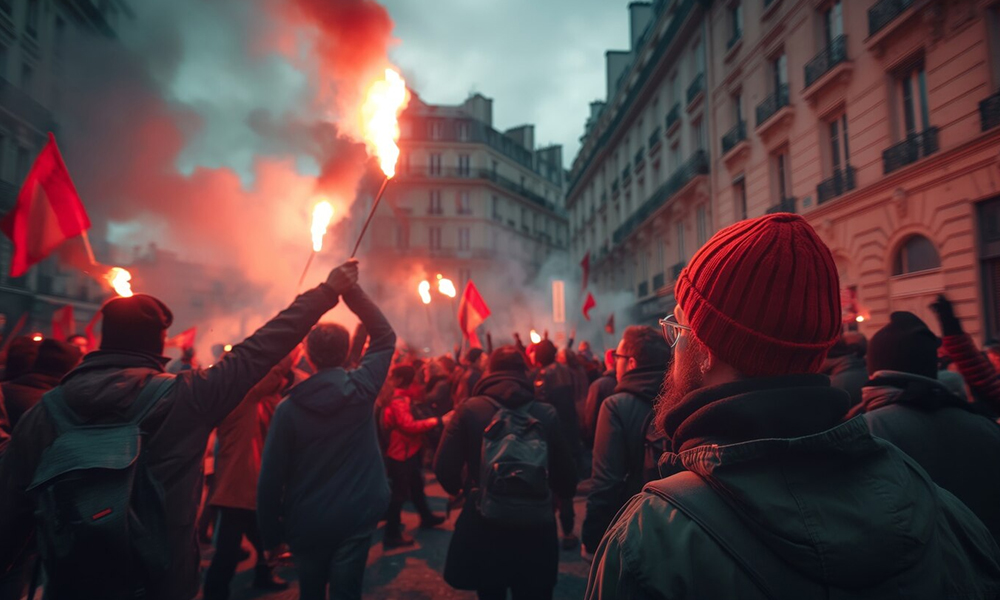

Artists in the world have for many years been crucial in articulating public views and challenging the government. Whenever there are political uprisings in the world, the voices of the artists become more apparent and, unfortunately, are put in greater peril. There has been news from human rights groups showing that artists lost their lives and others were injured in anti-government rallies.
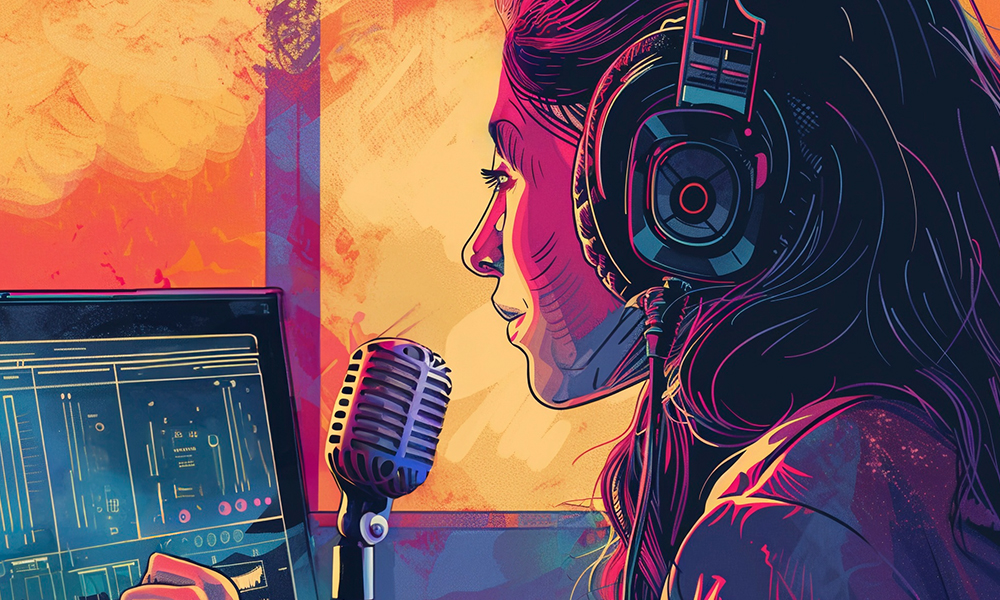
Artists get drawn into the protests not only as participants but also as witnesses and documentarians. This is because they can express the emotional context of protests in various forms such as through music, art, performance, films, and literary texts. Reason being, artists express the context in which the protests occur through artwork, music, performance, films, and literary texts.
According to human rights organizations that promote these causes, there are a few individuals who had occupations in the arts who have been affected by the violence during the protest. It is stressed that the affected persons during the protest are not only protesters but are also the ones who add to the community through their art.
Artists, Expression, and Risk in Times of Protest
For instance, if there are anti-government demonstrations, then there will be a State response that will vary from negotiations to violent suppression. In situations where there is limited leeway for dissent, then artists are viewed as significant opinion-shapers that are able to rally support. Such potency lies in their creativity.
It has been emphasized by human rights agencies that the right to expression should be treated as a basic right and should be ensured through international law. The death of artists during the time of protest constitutes grave concerns related to the disregard for such rights. The rights agencies may make use of agents and researchers in investigating such cases.
The impact of these losses extends beyond immediate circles. The artistic communities often act as space for dialogue, healing, and collective identity. Through violence, artists are taken away, and their removal might spread fear of a constricting atmosphere, which may encourage self-censorship and decreased cultural participation.
However, history also proves that oppression will never destroy creative expression, but rather it will simply transform it in some way. When confronted with risk, subtle resistance, symbolisms, and community actions become shelter to artists. Works of remembrance, silence as performance, and encrypted messages become gestures in honor of lives lost while continuing to bear witness.
These human rights reports are a reminder of the human toll of political politics. These calls are made in relation to accountability, an investigation, as well as the safeguarding of civilians, who in this case consist of artists, journalists, and cultural employees. The problem has to gain international attention in such a way that it will never become a background issue.
An artist among the protesters whose lives were lost during the protest also shows the truth that art and conscience cannot be separated. Indeed, artists are found at the crossroads with a turbulent society as the place where creativity and risk meet. However, it is the vulnerability of artists, with the freedom to create art, that would make society flawless in its search for justice, dignity, and peace.