
It all moves so fast as to make a state of calm nothing short of history, and it is certainly a state that is to be cherished. The notices are all alerts and busy, and minds are being pulled every conceivable way and means. From this tumult, then, the notion that “The Art of Timeless Calm” takes as its premise the gentle, loving reminder that it is a state that requires keeping and declaring, not accomplishing.
Timeless calmness differs from temporary relief. Timeless calmness in itself does not consist of the silence between two loud points, nor does it consist of the relief experienced when a certain level of stress has dissipated. It rather involves a profound level of balance and a sense of being unaffected by both the urgency and the turmoil around it.
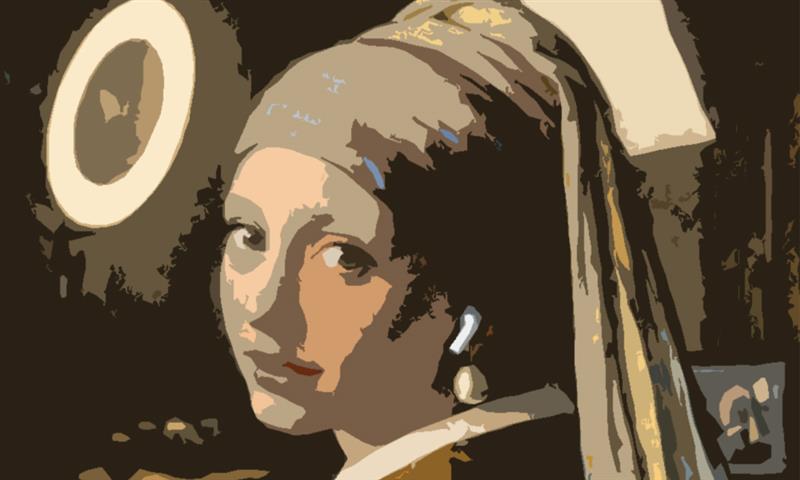
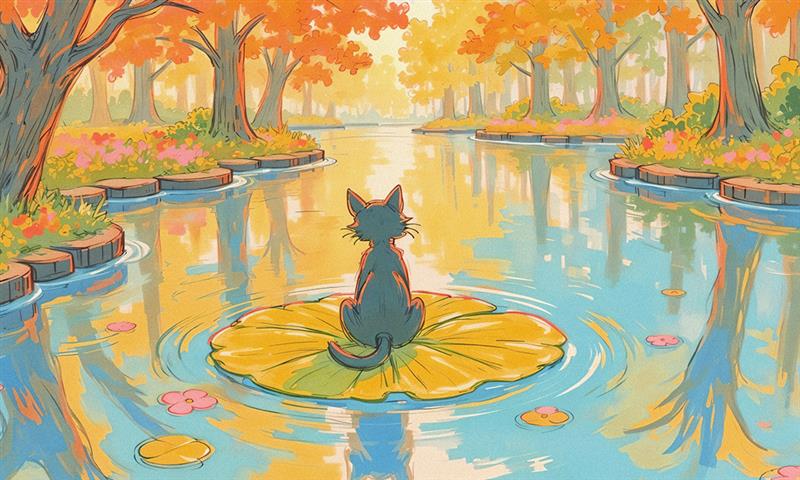
Art has long served as an expressive means intended to convey a form of calm. In classic religious artworks, minimalist paintings, and other examples, artists from around the world have attempted to convey a form of calmness. Calming colors, harmonious symmetry, soothing lines, and emptiness are only a few examples that attempt to convey a form of calm. These examples allow an observer to slow down and become calm themselves. In this manner, calmness is a form of an “art” itself.
“The Art of Timeless Calm” also has to do with mindfulness. Just as the artist must be careful and deliberate in his craft, so must we in achieving calm be aware and intentional. It is to learn to watch our thoughts without trying to change them right away, to be content with quietness without trying to fill it up, to see beauty in simplicity
In traditional and religious art, the timeless aspect of calm is symbolized by harmony. Historical philosophies and meditation techniques promote a balance of the physical, spiritual, and mental. Artwork inspired by these works, ranging from mandalas and sacred geometry to calm depictions of the figure, realizes the timeless aspect of calm in terms of a connection with something transcendent. Artwork does not have an age because the need for calm is timeless.
However, in contemporary society, this term has also become much more prominent. As people are becoming more mentally exhausted and overwhelmed, they are finding calm to be an act of rebellion—a means through which they can assert themselves over their inner environments once again. Minimalist design, slow living design, and mindful design are merely some expressions through which this need is being fulfilled. “The Art of Timeless Calm” now turns out to be an art form as well as a design philosophy.
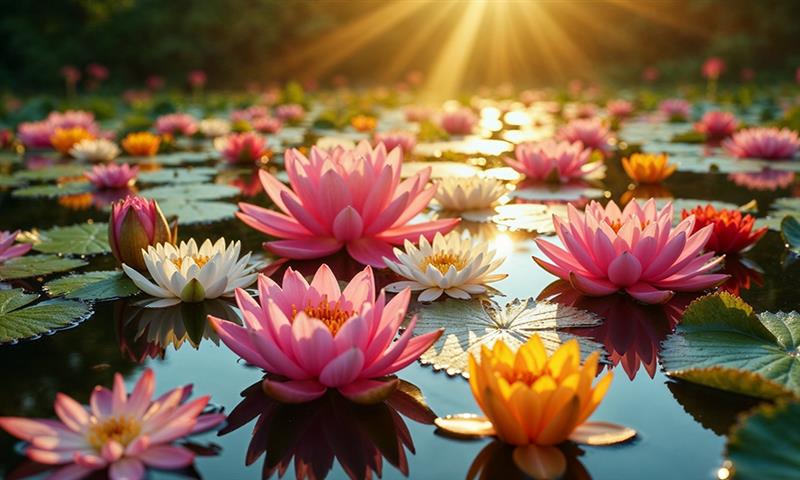
This also allows for interpretation. For example, some people find serenity in nature. One can observe light passing through leaves or waves crashing on the shore. Others find it in prayer, music, meditation, or being alone. Art that takes calm as its subject does not portray how calm is supposed to look like. It gives an opportunity for one to find calm.
Ultimately, *The Art of Timeless Calm* is a reflection of what we could easily forget—noticing that in the silence, calm is not an absence but a strength, an eternity within an instant of calm and, in its best and most beautiful moments, within its silence, an eternity resides. Whether in art, words, or living, timeless calm is a harbinger of the idea that one can always, no matter how rapidly the world turns, slow down.