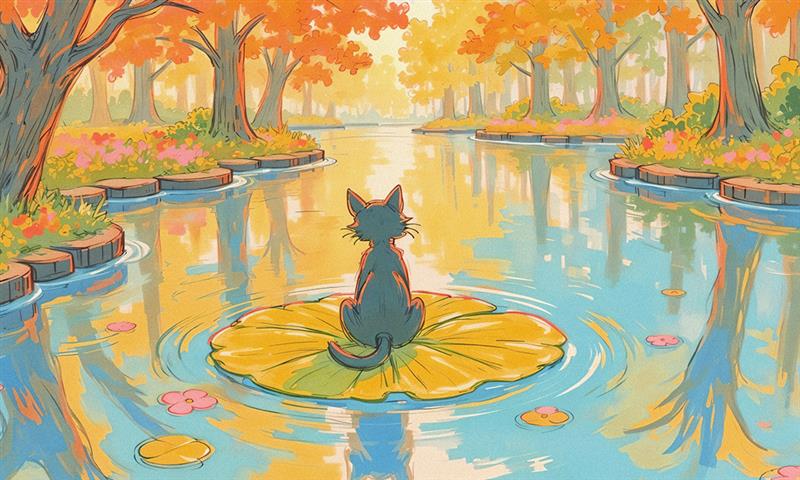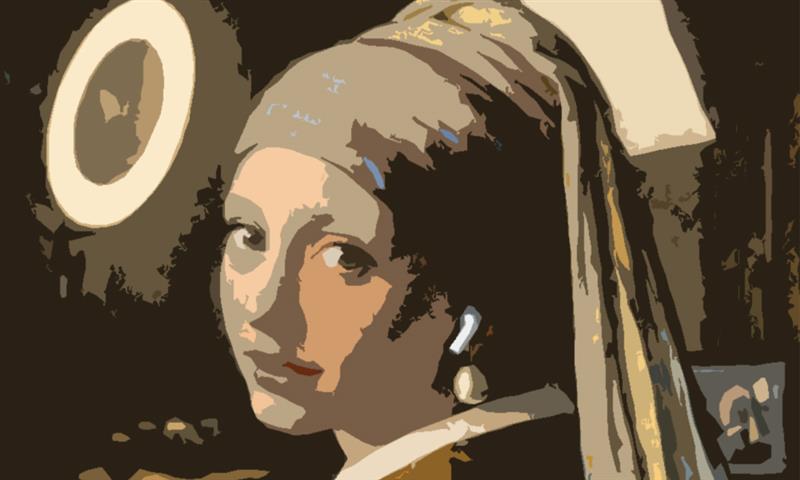

Classical art has been admired for centuries for its craftsmanship, symbolism, and timelessness of beauty. Classical sculpture, painting, and architectural art of past centuries are still felt to have importance in relation to art and understanding of history. With evolving artistic practices, however, artists are discovering innovative ways of engaging in classical art. Illustration as a New Lens on Classical Art discusses how contemporary illustration art offers novel ways of viewing classical artworks and enables them to be viewed and interpreted in novel ways.
An illustration is a visual language. It focuses on interpretation rather than preservation only. On classic art, it does not try to replace the works; rather, it adds meaning layers. In applying interpretation to classic forms, illustrators convey lines, colors, textures, and symbols in a manner that promotes highlighting details not commonly noticed. The illustrator produces works in a manner meant to inspire a viewer’s perception beyond the things they would otherwise perceive.
The diversity that exists in illustration makes it an even more attractive field in art. Unlike other forms of restoration or replication, illustration artists can choose to respond in any way that they want to the classical theme. Ancient sculptures can have modern patterns or symbols added to them. They can have line art added. Historic paintings can be redrawn using the art of illustration. They can incorporate their ideas into the artwork.
Illustration is a means by which the art of the past and the present are made accessible. Pieces from the past often seem remote and do not always have a place within modern society. This is a method whereby those images are made accessible, or put into a visual form that is contemporary. In this way, a different culture is created.
Another significant application of illustration is storytelling. There is so much storytelling in classical art that has been taken from mythology, religion, and historical events. Illustration helps in relating these stories in a new way. The illustrator may choose to focus on the emotion, the social context in which the story happened, or a symbolism of the story in a way that will give a very modern spin to the old story.
This process has been made easier and widened by technology. Computer illustration tools enable artists to work without boundaries. Layers can be inserted or removed. This has extended a sense of freedom to artistic work. In this context, there is an encouragement to experiment while not forgetting their roots.
However, it is essential to point out that in no way does this new perception called illustration affect or diminish the importance of classical arts. On the contrary, it is constantly highlighting its relevance. Through their creative interpretations of classical works, illustrators underscore the fact that classical art is in no way static.
Moreover, such an approach brings about a lot of interesting questions too. Who gets to reinterpret history? To what extent is transformation acceptable? These are a part and parcel of the creative process and go a long way in having a better realization of the importance of art in society. Explanation in illustration leads to conversations, not conclusions.
*Illustration as a New Lens on Classical Art*This book showcases how illustration as an art form brings creativity to life by merging past and present. This book makes it clear that illustration art is more than mere ornamentation; it is also an analysis and expression of art. This book brings classical art to new life by adding meaning to illustrations through history.
Ultimately, it is the blending of both that represents the greater intention: the preservation of art. As a layer is shifted to become a lens, it creates a platform for discovery, connection, and a new appreciation—in proving that art is all alive and listening through the illustrations.