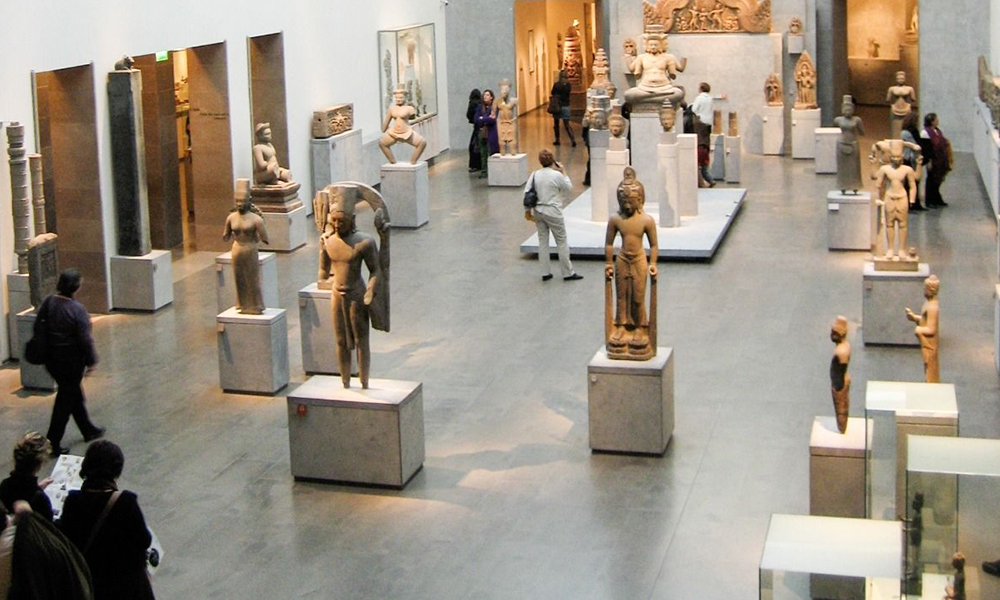

International collaboration contributes to the growth of the global network of museums through developing connections between different museums, artists, and their visitors from other countries. They share information, artworks, and knowledge, forming new opportunities for cultural dialogue and improving the existing global network of art.
Museums develop relationships with foreign artists and curators, organizing shows to facilitate an exchange of cultural knowledge between themselves. Collaboration with other countries will allow museums to innovate and be current in the fast-changing technological world.
Strengthening Trust and Security in Global Art Networks
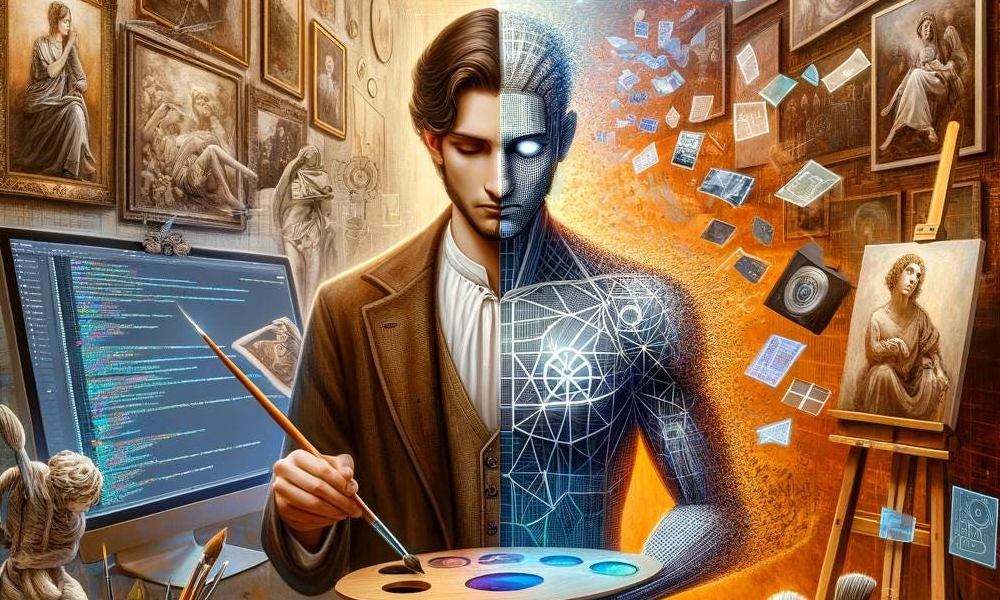
Museums adopt advanced technologies, and they ensure the protection and authenticity of artworks across borders. Digital tools improve documentation, and they simplify the process of verifying ownership and provenance. Secure systems play a key role in maintaining trust among institutions and collectors.
Platforms like ArtAttest provide “Art Secure by ArtAttest,” and they help museums safeguard valuable collections. These solutions use modern verification methods, and they reduce the risk of forgery and fraud. Museums rely on such systems to maintain credibility in global collaborations.
Blockchain technology enhances transparency, and it transforms how museums handle certification. LutinX offers Blockchain Certificate Security, and it ensures that records remain tamper-proof and accessible. This innovation supports long-term preservation and builds confidence among stakeholders.
International collaboration makes art certification necessary in order to ensure the legitimacy of artworks and artists. Certifications help build trust and make the process of transactions smoother. Certified artworks are more likely to get noticed; thus, they will help build the integrity of international museum networks.
Art security measures, implemented by museums, become important when it comes to protecting valuable objects that they possess both physically and digitally. Such measures include advanced monitoring and securing of artwork. They help protect works from any possible threats.
Artists involved in international cooperation have more chances to exhibit their pieces and be exposed to the world. International collaboration brings them recognition in other countries and cultures.
In conclusion, international collaboration strengthens museum networks, and it integrates technology, security, and certification into the art ecosystem. Museums, artists, and technology providers work together, and they create a more transparent and connected global art community.
Read More: Cultural Heritage Drives Growth in African Art Market