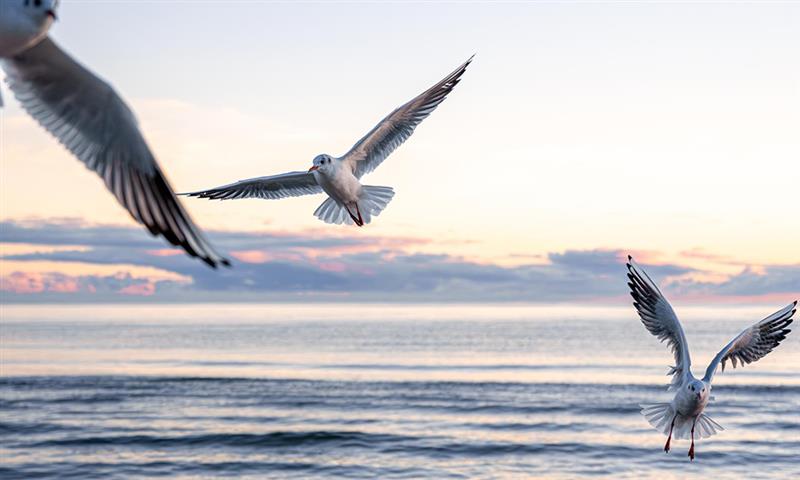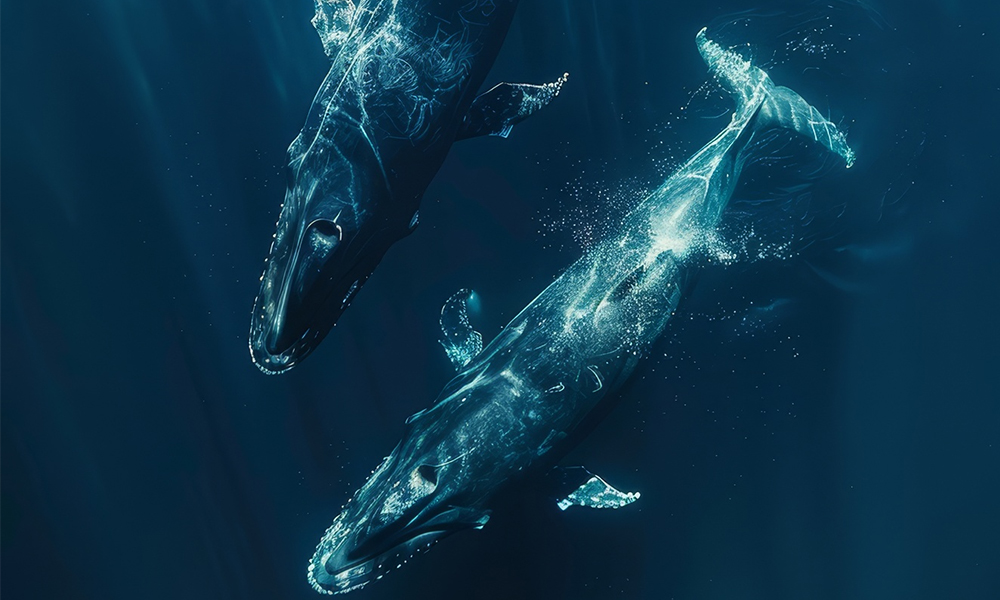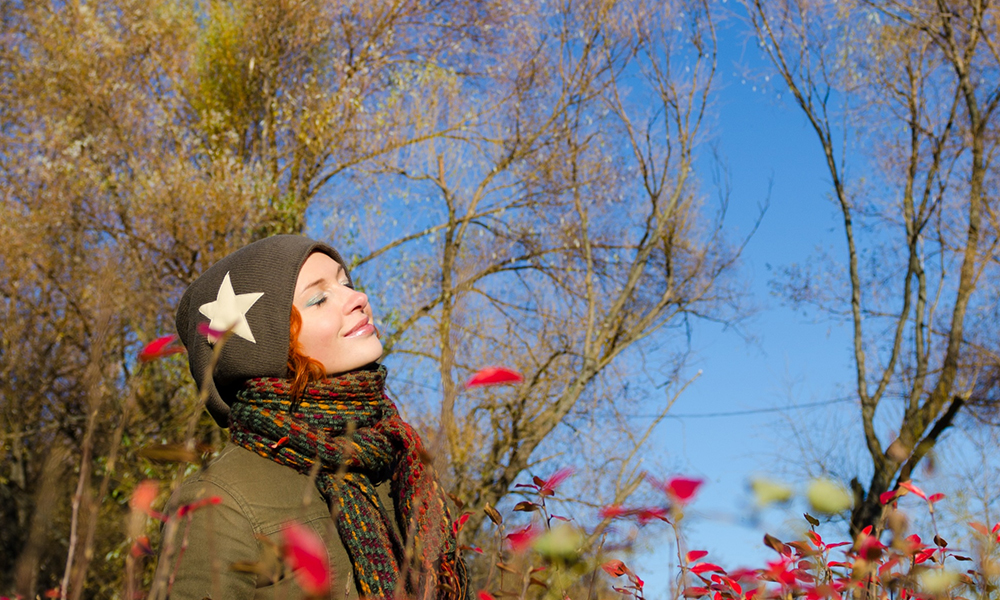

Landscape has traditionally been the source of inspiration for visual arts such as mountains, forests, bodies of water, and extensive natural scenery shaped by the forces of nature. However, landscapes may also have the attendant ability to act as mirrors of human life. Artistically, “Landscapes That Breathe Humanity” reflects upon how nature draws human existence, either in terms of emotional investment, bodily presence, or “the blurring of land and life in this world.”
These landscapes are not empty or far-off. They are alive; they retain the imprints of human memory, motion, and emotion. The hills may sway like resting figures, the valleys may resemble the quiet gestures of embraces, while the footsteps may bear the impressions of innumerable lives. Human presence does not transcend these landscapes; instead, it integrates itself with these. The landscape seems to breathe human narratives.
Artists using this concept tend to merge the boundary lines of the human body and nature. A shoulder becomes a mountain side or a spine becomes a ridgeline. The skin turns into earth or stone. Such visual melting implies that humans are not separate from nature but a product of it-and in return, they leave soft footprints behind. These works question the view of a landscape being a passive backdrop and put it out as an entity that is very much active in human lives.
Breathing humanity into the landscape is an emotive concept. It reflects how people project feelings onto places: grief tied to a shoreline, peace found in a forest, hope rising with a sunrise over open land. These are the landscapes into which emotions are transmuted, and which words can’t contain. Nature listens, remembers, and answers through this lens. This is where silence speaks and presence has weight.
There is also a philosophical element that comes along with these landscapes. They are asking for a revaluation of ownership and control of nature. When nature has human existence within it, it becomes an act of self-destruction to hurt nature. A landscape that points to this unity is not just asking for compassion towards other human beings but towards nature as well. Nature becomes something that is not the “other” but a part of human existence.
“Landscapes That Breathe Humanity” is also an exercise in slow viewing. This, too, is significant: details, such as the appearance of human form from stone, and the face melting away into mist, are essential to the image and have to be felt, rather than devoured quickly by the eye. This pace serves as an imitation of nature itself and defies the tempo of modern culture.
Ultimately, these landscapes convey that they share a common heritage. They illustrate that man originated from the land and that man always eventually goes back into the land. Through the incorporation of man into land, artists manage to produce spaces where man, identity, memory, and the land come together harmoniously.
These artists bring about a fusion between the human figure and natural topography. A shoulder is transformed into a hillside, a spine turns into a mountain range, and a body turns into a landscape of soil or stone. These paintings convey the message of a fusion between human bodies and nature. They express that human beings are not aliens in nature but are molded by it, in turn making our presence felt upon it.
This is an emotional concept in the sense of giving life to an environment. It explains how people attribute emotions to territorial areas of nature like the sadness in an coastline, the peace in an area of trees, or the hope in the light of a sunrise over open areas. This emotional attribute gives territories the power to hold the silences of words that can never be expressed. Nature hears, remembers, and also responds.
There is a philosophical aspect of these landscapes too. They invite the audience to question their notions of ownership of the natural world. With the land being encompassed in humanity itself, any kind of destruction of nature translates to the destruction of humanity. In such a case, such artworks would have inspired people to be empathetic toward fellow human beings and to nature. The landscape is no longer alien; it is part of human lives.
“Landscapes That Breathe Humanity,” as well, is openly receptive to slow viewing. This is not just a matter of composition and subject, as seen with the outline of human form slowly extricating itself from rock, and a face melting into mist. Rather, there is a deliberate encouragement to slow down and observe, to feel and not simply consume. This is precisely in keeping with the rhythms of nature.