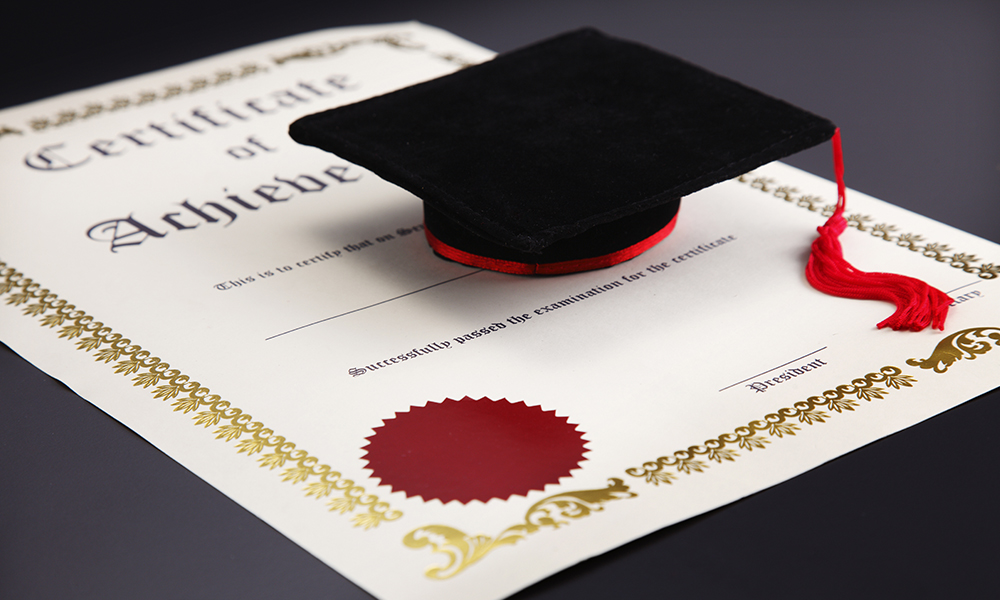

The need for art certificates of authenticity arose due to the increasing number of art deals taking place worldwide. The forgery of valuable art pieces is on the rise, prompting art galleries to issue these certificates that contain information on the creation of the art piece, among other details.
Artists are creating personalized art certificates that are improving their artwork. Artists are signing these certificates for paintings that include UV ink for detecting forgeries. For sculptures, artists are including assays that verify the purity of the alloy used.
Auction houses have implemented strict measures for art certificates. Sotheby’s auction house is scanning these certificates using artificial intelligence that connects with other databases for instantaneous verification. Christie’s auction house requires art certificates for art pieces worth over $10,000.
Artist Monographs, Catalogues Fuel Certification Boom
Publishers produce artist monographs chronicling careers comprehensively. Taschen releases lavish volumes on Basquiat, packed with authenticated images and essays. Scholars verify each plate against studio archives, bolstering certificate credibility. Collectors treasure these tomes as investment companions.
Exhibition catalogues serve as vital extensions. MoMA compiles them for retrospectives, listing every loaned piece with certificates. Curators photograph signatures under magnification, archiving details online. Buyers reference these for due diligence, enhancing market liquidity.
Technology revolutionizes documentation. NFTs link digital certificates to physical art, timestamping ownership on Ethereum. Platforms like Artory store monographs securely, granting access via biometrics. Galleries adopt apps scanning QR codes on certificates, revealing full histories instantly.
Global trade amplifies needs. The Asian market is dominated by English-Chinese bilingual certificate requirements. Dubai art fairs feature Middle Eastern master works with Arabic-language catalogs. Europe provides GDPR compliant documents for data privacy.
The problems are numerous, but so are their solutions. There are numerous fakes on eBay, but experts like Orion Analysis can identify them through spectroscopy. Artists form collectives issuing unified certificates, standardizing formats worldwide. Provenance apps track works from studio to salon.
The market evolves rapidly. Certificates prevent losses exceeding $6 billion yearly from fraud. Monographs and catalogues educate novices, fostering confidence. Astute collectors prioritize them, securing legacies against counterfeits.
Embrace this shift. Verify before you buy—demand certificates, study monographs, scour catalogues. Art’s true value endures when authenticity shines.
Read More: Why Every Artist Needs a Certificate of Authenticity ?