
The history of art reveals the dynamic views of the female form. Artists have impacted the visual perception of beauty. The female form in art holds great meaning.
The early traditions represented idealized form. The classical sculptures represented harmony and proportion. The painters followed the traditional ideals of beauty. These representations promoted the restrictive ideals of femininity.
The religious art influenced the moral narratives of the female body. The religious representations defined women as symbols of purity. Other images framed women as sources of temptation. These contrasts shaped long-standing visual codes.
The Renaissance expanded attention to natural form. Artists studied anatomy with renewed interest. The female body became a subject of artistic mastery. This focus also increased objectification in many contexts.
Modern movements challenged traditional representation. Artists questioned fixed ideals of beauty. New styles disrupted smooth and idealized surfaces. These changes reflected shifting social awareness.
Photography introduced new ways of seeing. The camera altered perception of realism. The medium increased visibility and scrutiny. This marked a new era in the way the female form was perceived by the public.
Changing Attitudes towards Representation
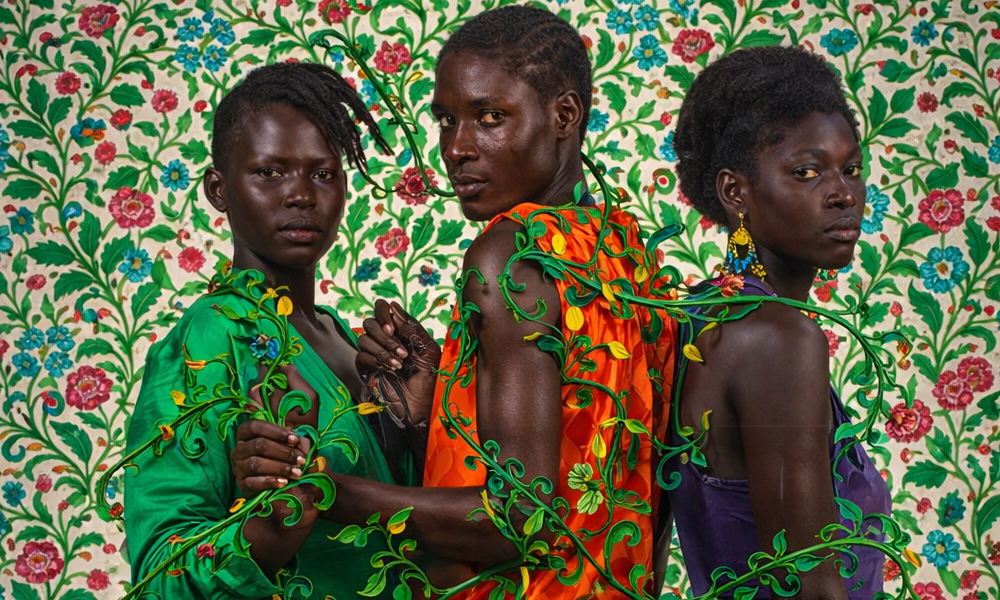
The early twentieth century was characterized by identity and agency. Women artists broke the mold of traditional representation. Women artists challenged the dominant visual traditions. Their work asserted control over self-representation. This shift changed the balance of power in imagery.
Feminist art practices confronted objectification directly. Artists critiqued the male gaze. They used performance and body art to reclaim narrative. These practices expanded the meaning of representation.
Contemporary art reflects diverse bodies and experiences. Artists portray different ages and forms. These images challenge narrow beauty standards. This diversity broadens cultural understanding.
Media culture continues to influence visual norms. Advertising shapes public perception of bodies. Digital platforms increase image circulation. This environment intensifies pressure on appearance.
Artists respond to these pressures with critical work. Art questions unrealistic ideals. Art highlights vulnerability and resilience. This response supports more inclusive visual culture.
Museums and institutions reassess historical collections. Curators provide new interpretive frameworks. This work contextualizes past representations. Such efforts encourage critical viewing.
Education shapes how audiences read images. Visual literacy promotes awareness of bias. Informed viewers engage with art more thoughtfully. This process supports cultural change.
The history of depiction reflects ongoing negotiation. Artists influence perception. Society influences artistic choices. This exchange continues to evolve.
The female body remains a central subject in art. Representation carries ethical responsibility. Artists hold power in shaping meaning. This awareness guides contemporary practice.
This short history reveals progress and limitation. The record shows both harm and change. Critical engagement supports better representation. The conversation remains open and necessary.