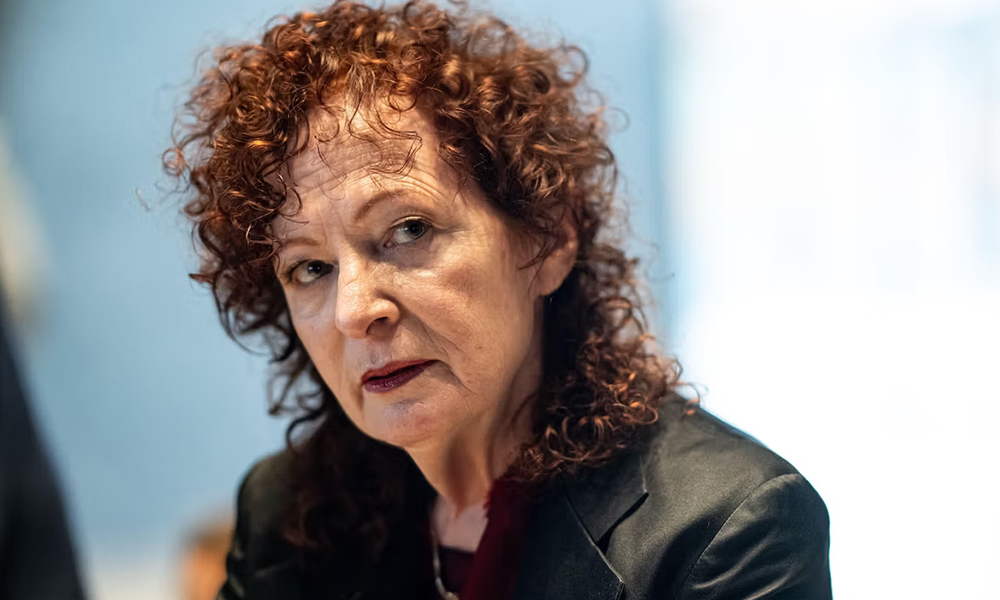

An open letter has demanded that a trustee be removed from his or her role at the Art Gallery of Ontario. The open letter criticizes the trustee for his role in a vote against purchasing a work by Nan Goldin.
Nan Goldin is a well-known photographer famous for her photographs; her photographs mainly depict themes of intimacy and sociological reality. Nan’s photographs have also been exhibited in different museums across the world. The belief is that by acquiring Goldin’s work, the gallery would improve their collection of contemporary art.
As well as this, the open letter itself refers to issues of transparency and accountability. The signatories stress how decisions made at leadership level should be consistent with serving the public mission of the gallery.
Debate Over Governance and Artistic Direction
The controversy has also sparked a wider discussion regarding the parameters that guide museums when collecting art. The critics also argue that the knowledge that a curator has should be taken into consideration when it comes to the acquisition or non-acquisition of art.
The Art Gallery of Ontario is definitely a key player in Canadian cultural life. Its collection determines how art in Canada is represented today. What the gallery chooses to acquire can impact what is shown in the future.
Some of the supporters of the trustee say that the decision-making process in acquisition has several complex considerations. They say that there are budget constraints within the institution. They also say that the trustees have a responsibility to balance the financial aspect of the object with the intrinsic value of the object.
This open letter has gained some attention across different social and cultural media platforms. Some have expressed solidarity with Nan Goldin and others. Some have suggested that there is a need to come up with clear policies around trustee engagement within curatorial decisions.
This on-going dialogue is part of a larger shift that is taking place within museums across this sector. These museums are looking at how more power and responsibility can be distributed. The results of this case could potentially impact museums in the future.