
In the world of craft and design, surfaces are never just surfaces. They are storytellers—quiet yet powerful expressions of skill, patience, and intention. When broken down, the title itself, “Crafted Surfaces Expressing Creative Precision,” holds the key to understanding the nature of craft and design, in which each and every element, each and every texture, line, and ending, speaks of artistic intention.
Functional surfaces also originate from materials in their natural state or simplest forms: wood, clay, stone, metal, and fabric, and so on. Each has distinct characteristics based on its texture, pores, defects, and strengths. The accuracy of handmade works does not dwell on overcoming the characteristics but on how these can be utilitzed successfully. The artisan studies, values the weaknesses and strengths of the material, and draws out its beauty through effective work in shaping the final piece from the raw material brought out from the depths of its rawness, its weaknesses, and strengths.
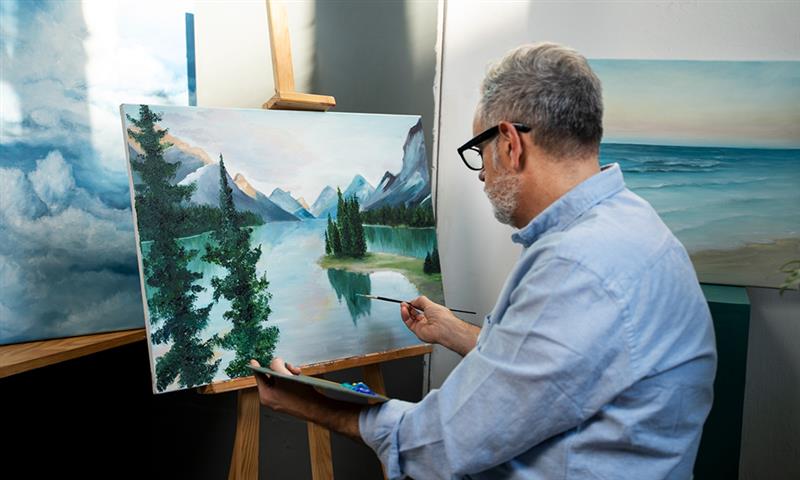
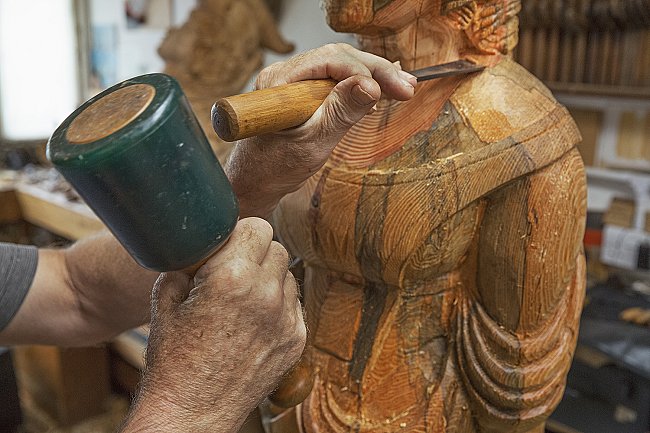
Artisanal precision is not stiffness, nor is it cold perfection, but a sense of control, consistency, and a vision derided. In a hand-carved design, an intricately interlaced fabric, highly finished stone, or layers of paint applied with care, an artisan reveals their control over the tools and techniques involved. Blemishes, no matter how small, are important here because they speak to the fact that what one holds onto is an artifact crafted by a human being and not a mass-manufactured good.
Creative precision also carries an element of intention. Every detail, from the depth of an engraving to the smoothness of an ornament, is arrived at intentionally. A superb craftsmanship precision in traditional arts is in principle achieved, piece by piece, over many years. A craftsman is able to achieve equilibrium between purpose and aesthetic qualities. A crafted surface area is, therefore, also some kind of pictographical record.
But what about in modern craft and design? The relevance to our current era will manifest as follows. When high-end technology and machinery occupy the foreground in our production processes, handmade texture becomes that much more special as a harbinger of human involvement. They are a pause in our hurry. Through our own tactile engagement with the texture presented by a wall relief, a ceramic plate, and handmade furniture, we can feel the human labour that went into it.
The title also draws attention to expression. Textures are expressed on the surfaces that are not simply finished. Rawness and strength may be expressed in a rough texture. Peaceful and refined may be expressed in a polished surface. MOVEMENT, RHYTHM, or Symbols of culture may be expressed in patterns. Colors expressed in the right way may paint the emotion of the atmosphere.
This concept is especially powerful in craft exhibitions, galleries, and design studios. Viewers are often drawn close, compelled to observe details and textures up close. Crafted surfaces invite attention and contemplation. They reward slow looking, revealing layers of effort that might be missed at first glance. In this way, precision becomes a form of respect—both for the craft and for the viewer.
“Crafted Surfaces Expressing Creative Precision” also reflects a philosophy of mindful making. It suggests a commitment to quality over speed, depth over excess. In a world driven by fast consumption, such work reminds us of the value of patience and focus. Each surface becomes a quiet protest against disposability, emphasizing durability, care, and meaning.
In every carefully finished edge, every thoughtfully textured plane, creative precision lives on. It transforms simple materials into lasting experiences—surfaces that do more than exist, surfaces that speak.