
African art market is experiencing a surge in activity. Collectors worldwide have been actively buying up and collecting the works at such incredible speed that galleries now report that they are selling more than double the amount of works this-year than they are selling last year.
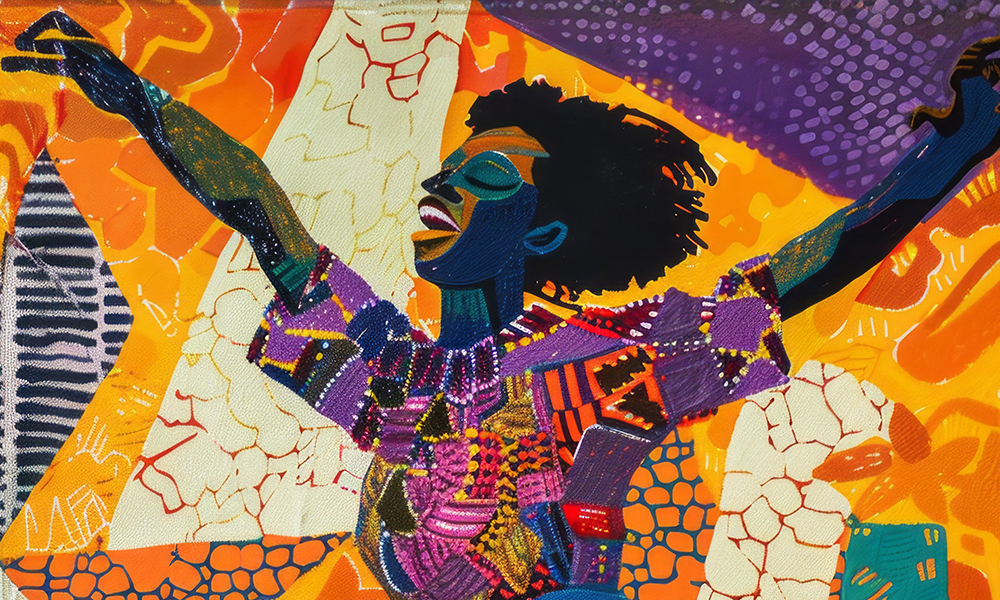
The modern art world is replete with artists who are making new African art, such as Njideka Akunyili Crosby, who uses bright colors and graphic patterns in her unique form of creative expression to narrate stories about her heritage and identity as a Nigerian-American using paint.
Modern African art has altered what we view as creativity. For instance, William Kentridge has documented the history of apartheid via his charcoal drawings that animate live on a video, creating an array of visual representations through the use of political imagery and poetry.
Demand propels African artists to stardom. Institutions seek talents from Dakar to Johannesburg. The haunting portraits by Marlene Dumas from news photographs evoke global sympathy. Investors identify potential and acquire new artists like Firelei Báez, who creates colorful mythologies from a mix of Haitian and futuristic imagery.
Exhibitions and Visual Culture Amplify the Momentum
African art exhibitions dazzle international crowds. Zeitz MOCAA in Cape Town offers immersive exhibitions, with over 100 artists featured. “In the Making” exhibitions show the making of the artist’s works, humanizing the artist. One can immerse oneself in the exhibitions, which pulse with sound and light.
Visual culture thrives vibrantly. SStreet murals in Lagos depict urban struggles and have now become gallery staples. Textiles are inspiring digital prints, bringing together craft and code. Biennales like Johannesburg’s spotlight performances, where bodies become canvases exploring identity.
Collectors from Asia and Europe flock eagerly. Christie’s auctions feature African lots, with premiums hitting 30%. Online platforms democratize access, letting enthusiasts bid from afar. This global appetite validates African narratives long overlooked.
The market promises longevity. Foundations invest in artist residencies, nurturing talent pipelines. Critics praise authenticity, as works confront climate, migration, and power. African visual culture reshapes global aesthetics, proving the continent leads innovation.
Buyers secure legacies now. Portfolios diversify with these treasures, appreciating steadily. Galleries expand, hosting hybrid events blending physical and virtual views. The African art market ascends triumphantly, inviting all to witness its radiant future.