
The global art world captures the public’s imagination and generates interest. There are many people who are drawn to the creativity and glamour of the art field. However, the art world for major art events is complex. There are many dominant personalities involved. There are pressures on institutions.
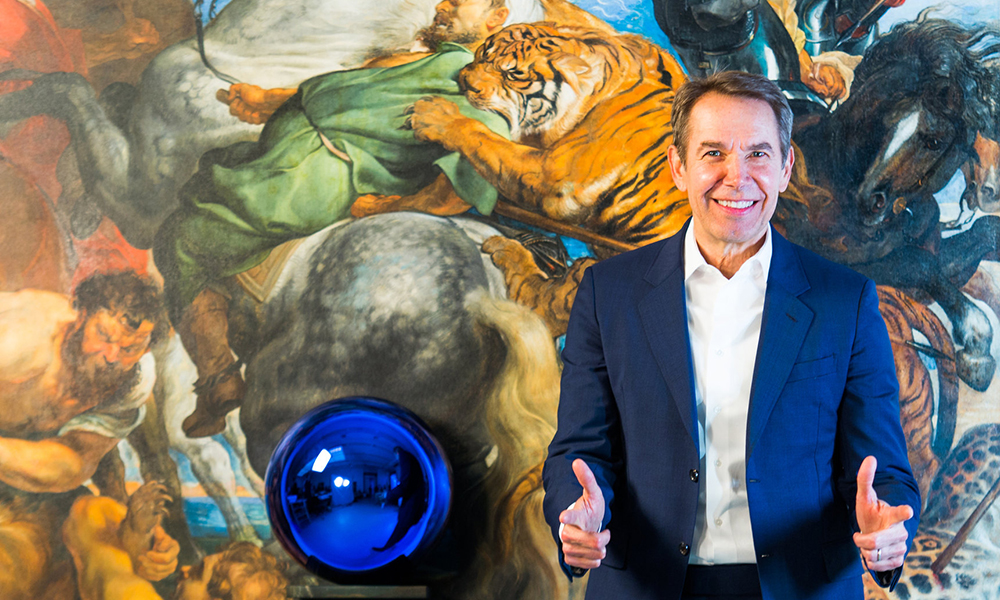
Among the most recognized artists nowadays is Jeff Koons. His art may look simple at first sight. In reality, his art is highly controlled. Everything is planned. His studio is reported to be subject to specific technical standards.
Koons also demands perfection. In his words, “I check the surfaces, colors, and finishes. Even a small flaw can slow me down. Quality equates to value in art. This informs all my decision-making about a project.”
Curators often find him hard to please. He demands that the exhibition spaces meet his exact demands. Lighting and placement require appropriate planning. Sometimes Koons even dismisses proposals if they do not meet the appropriate conditions.
Despite these challenges, institutions are still working with him. His fame commands large audiences. His exhibitions are generating more interest. Many museums are ready to operate under strict circumstances. His control is giving his global art brand strength.
The Venice Biennale Selection Process and the Power of Collectors
The Venice Biennale uses an unique selection process. Each nation handles its own pavilion independently. Each nation selects the artist involved through committees. This process encourages cultural diversity. However, it also establishes unequal opportunities unfairly.
Some countries choose nascent talent. Other countries choose well-known artists. In some countries, politics may play a role. Consequently, the quality of art is not the only factor. This process puzzles many people.
For one, the theme varies from Biennale to Biennale. This means each new artistic director brings his own ideas every time. This leads to a different curatorial approach compared to the previous one.
Some collectors invest in young artists. They provide early support and exposure. Their involvement creates new opportunities. These collectors act as cultural catalysts.
Institutions respond to collector influence. Museums seek private funding. Galleries adjust their programs. Artists gain visibility but face new expectations.
This environment creates constant negotiation. Artists balance vision with opportunity. Curators balance independence with resources. Collectors balance taste with impact.
The contemporary art world moves through these pressures. Control, selection systems, and financial power shape outcomes. Success depends on strategy as much as talent. In this system, pleasing everyone remains impossible.