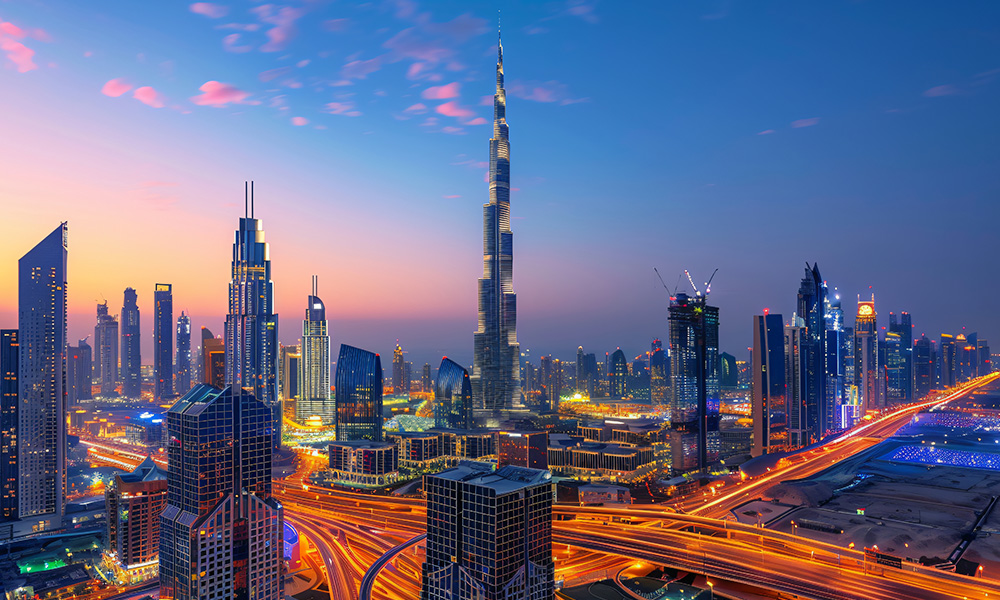

The global art world has been increasingly moving into the Gulf in general over the past few years, with places such as Abu Dhabi, Dubai, and Riyadh now increasingly recognized as having major importance in the world of art. However, this has not been a rushed move based upon speculating growth.
Economic stability has been a significant factor in the growth and sustenance of this movement. While economic conditions in the major artistic centers have been uncertain, Gulf states have proceeded with cultural investments. There have been economic diversification plans that have seen museums, galleries, and art fairs come into place. In essence, the economic and cultural importance of art have been appreciated.
International visibility has been enhanced through significant international organizations, such as the major museums that played a critical role in the creation of credentials, such as the Louvre Abu Dhabi Museum, which arranged critical exhibitions across the jurisdictions that are part of the global art scene.
Institutions, Investment, and Shifting Collector Interest
Art fairs have further accelerated the Gulf’s rise. The platforms of Art Dubai, for instance, have been positioned as important meeting points for international galleries and collectors. Supported by favorable tax policies and strong local patronage, fairs have encouraged long-term participation rather than short-term experimentation.
Collector behavior has also changed. In the Gulf, high-net-worth collectors have become increasingly interested in modern and contemporary art. Collecting has been handled as cultural engagement and legacy building rather than purely financial investment. This shift has pushed demand out across multiple categories.
Government involvement remains at the forefront of developing this part of the world’s art market. United Arab Emirate and Saudi Arabia cultural projects have been introduced in conjunction with the country’s development plans, whereby substantial funding has been channeled through museums, education programs, and international collaborations.
New discourses also came into play. At a time when Western institutions faced growing scrutiny over historic collections and market concentration, the Gulf was presented as an alternative platform. Exhibitions have increasingly displayed regional perspectives while retaining global relevance.
Digital infrastructure has also supported this change further. Hybrid exhibitions internationally, residencies internationally, and cross-border collaboration have been facilitated through a robust logistical network in this region. These structures have helped in keeping this region globally connected.
In conclusion, the art market’s turn toward the Gulf has been driven by strategic investment, institutional ambition, and evolving collector confidence. Rather than replacing the established centers of the contemporary art market, the Gulf has re-emerged as an alternative axis. Moving forward, as the infrastructure continues to evolve, the Gulf is likely to endure as a major element in the contemporary art market.