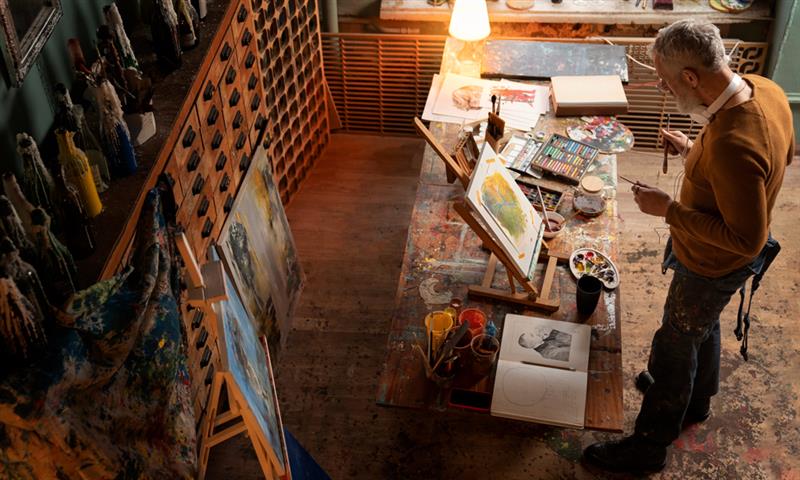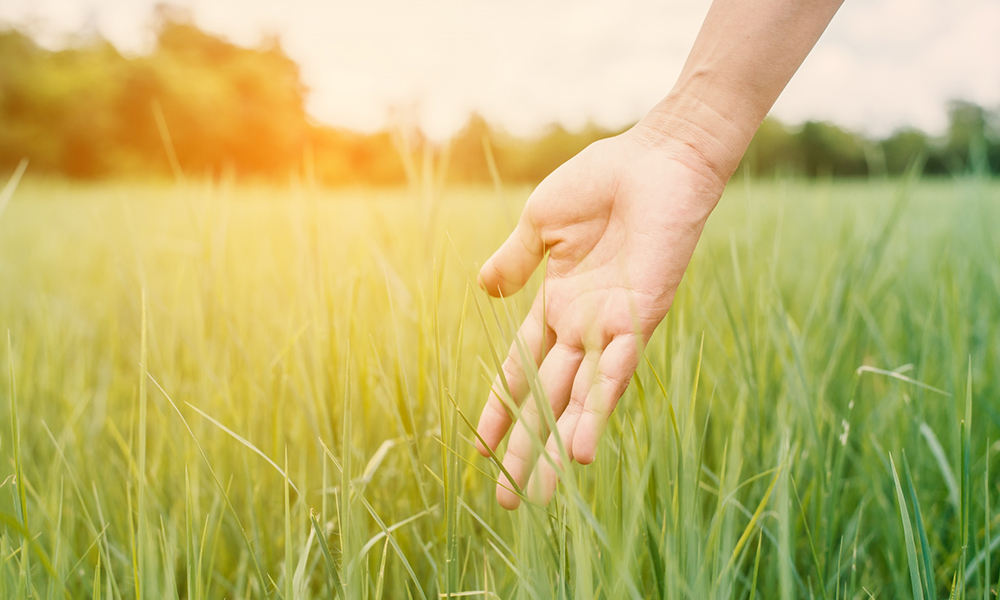

Each handcrafted surface has its own story embedded in it. Handcrafted surfaces have embedded signs of the processes of time, hard work, and intent in them. Handcrafted surfaces denote the presence of hands that have shaped, carved, and polished them. These surfaces, in turn, exist and have presence and denote skill and emotions apart from their visual presence. Thaddeus have understood this definition properly by stating that every handcrafted surface has a “silent story” to tell.
The human element appears in the area of texture. Carved stone wall, handmade ceramic bowl, or textile—no two alike, each having their own subtle irregularities which a machine fails to create. Imperfections, not errors, these signatures bear. Each uneven edge, softened corner, or textured groove speaks to the decisions and movements of the artisan creating. The surface becomes a record of interaction between human and material.
Crafted surfaces have long been born of tradition. The passing down of generations has preserved shape and philosophy, and making something involves a deliberate and considered craftsmanship, which understands and lives with the nature of the material. Stone resists, wood bends, and clay responds, and it’s these different natures that our humanity can adapt to and shape in a dialogue, not in struggle.
These surfaces also have emotional depth. When a craftsman works on it manually, there is emotion imprinted on it. Concentration, dedication, toil, or pride affects it indirectly. When there is an emotional influence, it gives a relation between the craftsman and the observer. Even without identifying the craftsman, there is a sense of his or her presence reflected on it.
In architecture and design, surfaces made by the human touch warm the space. Carved doors or textured walls add the kind of spaces where one experiences the beauty of this finish of surfaces by the touch of their hands. Such surfaces are meant to be touched where the observation of the surface is just the beginning of the function of design by the human touch.
Modern design has seen a resurgence of a love for this texture. In a world that is increasingly based on computer interfaces and mass-produced materials, hand-textured surfaces are a grounding element that remind us of scale and effort. Designers are currently emphasizing texture as a reaction against perfect surfaces.
Human touch also introduces time into surfaces. Weathered stone, worn wood, and aged metal show how surfaces evolve through use and exposure. These changes add layers of meaning. A surface that has been touched repeatedly carries memory—of rituals, daily life, and continuity. The craft does not cease at the completion of the object, but continues through interaction.
Textures that imply human interaction are also prevalent in visual arts photography. They tend to become the subject material. Close-ups emphasize grooves, scratches, and grained textures, giving matter a narrative. Light falls on texture, creating a shadow that depicts process. A landscape of production emerges.
Beyond aesthetics, these surfaces raise questions about value. What do we choose to preserve? What do we consider worthy of time and labour. Surfaces shaped by human touch challenge disposable culture. They represent sustainability, patience, and respect for craft. Each piece resists replacement, encouraging care rather than consumption.
Ultimately, surfaces that speak of human touch remind us of our relationship with making. They stand as evidence that creation is not only about outcome, but about process. In every carved line or textured plane, there is proof of human presence—hands that worked, learned, and left a trace.
In this way, these surfaces act as a connector back to the humanity of creativity. They teach us that beauty is more about intention and effort instead of perfection, and it speaks in the quiet language of touch.