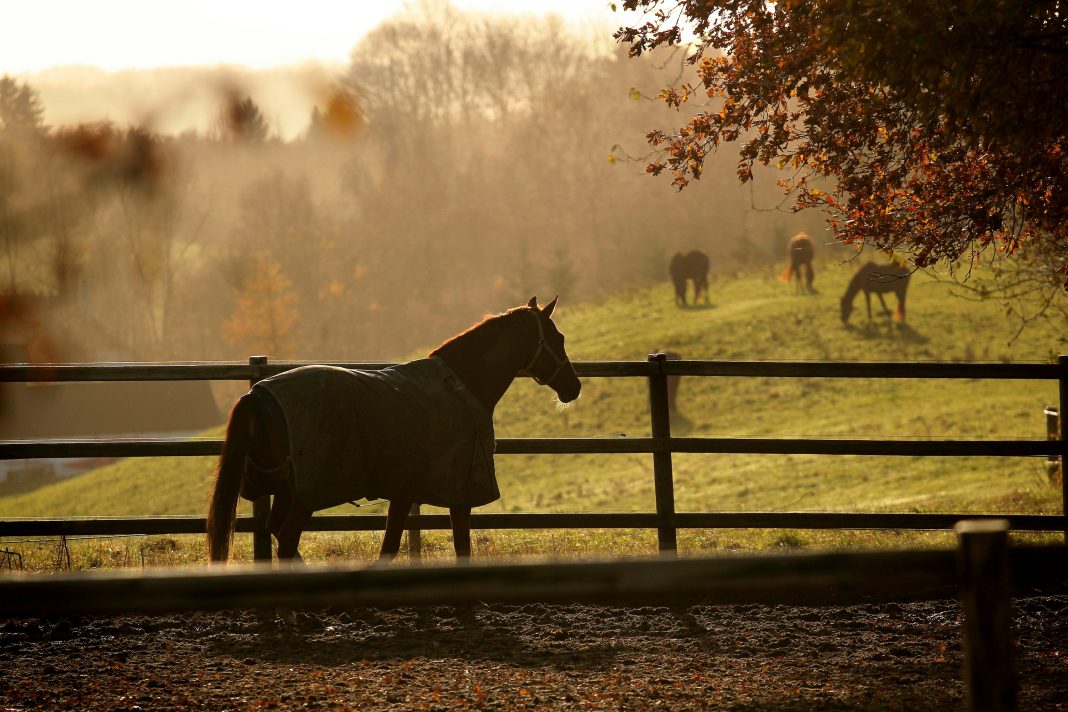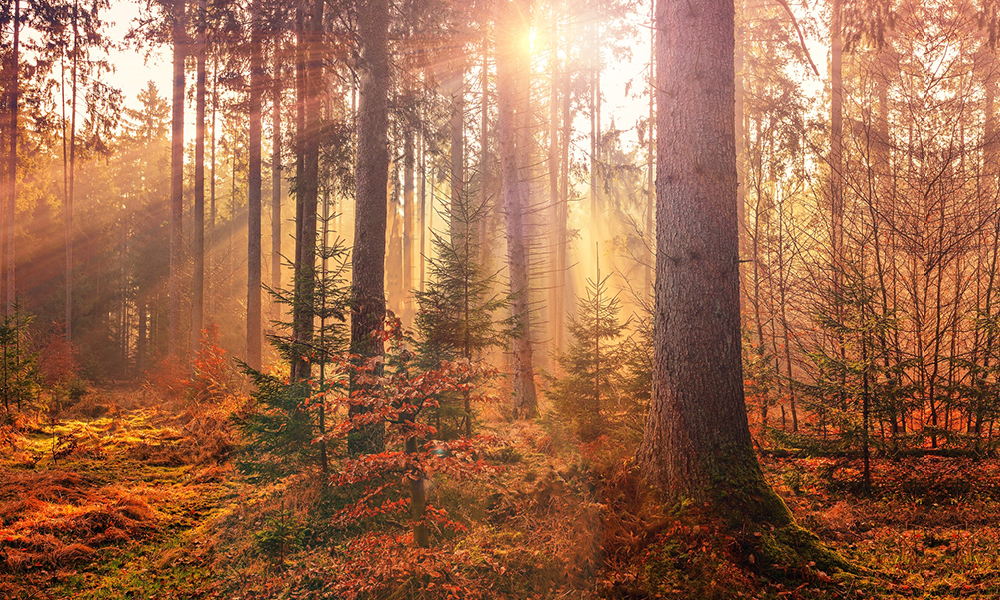

Light and darkness would certainly rank among the more powerful visual elements existing within nature. It is they that combine to create our perceptible experience of landscape, texture, color, and even emotion. Whether it is the soft glow of sunlight in the early morning or contrast of light and dark during the twilight regions of dusk, nature is continually composing the elements of light and dark into a soft harmony and contrast that is visually and symbolically at once.
Light is never constant in nature. From time, through weather, to season, it metamorphoses the same environment into innumerable visual experiences. In the evening, light warms up, and low, produces dramatic silhouettes with striking contrasts that remind us of the transience of time. The shadows, responding to it, are not a nullity of light but rather an active participant in defining form, depth, and motion.
Shadows provide meaning to the natural world. A mountain range climbs up high only as a function of shadows marking the peaks of the mountains. A leaf has depth as a function of the interplay of sunlight that filters through the leaves, marking the ground beneath them as a textured pattern on the ground.
Nature also incorporates light and darkness in order to create moods in artworks. Though the soft and diffused light of the kind that is usually associated when the sun is behind the clouds can bring forth moods of calm and relaxation in the viewer, high contrasts of light and darkness of the kind that is associated when the sun is shining brightly in the sky can sometimes bring forth moods of energy and vitality. .
For artists and photographers, the education about the nature of light and shade is a necessary practice. This, in essence, is the education about observation and subtlety. Light in nature is not something that can be controlled but something that has to be understood and predicted. This instils a greater awareness of nature itself, as now one sees instead of just looking.
Apart from beauty, the presence and interplay between light and darkness in nature symbolizes other things. While light symbolizes existence, growth, and understanding, darkness symbolizes relaxation, meaning, and the unknown. Nature balances light and darkness in a manner which reminds a person that contrast is always harmony and not opposition. Darkness is required for the existence of light.
Taking into account the omnipresence of artificial lighting, coupled with the omnipresence of digital screens, the act of viewing and appreciating the presence of natural light and darkness somehow reconnects us to the organic process of nature. This is a reminder that complexity is not a dimension of beauty, but the simplest interactions that happen all around us.
To research light and darkness in nature means, ultimately, to research perception. Researching perception means, through the demonstration of light and darkness, that it is not the thing which is observed but the relationship—the relationship between light and darkness, between form and space, between presence and absence. Observing these relationships means, not only to enhance our art, but to enhance our comprehension of nature.