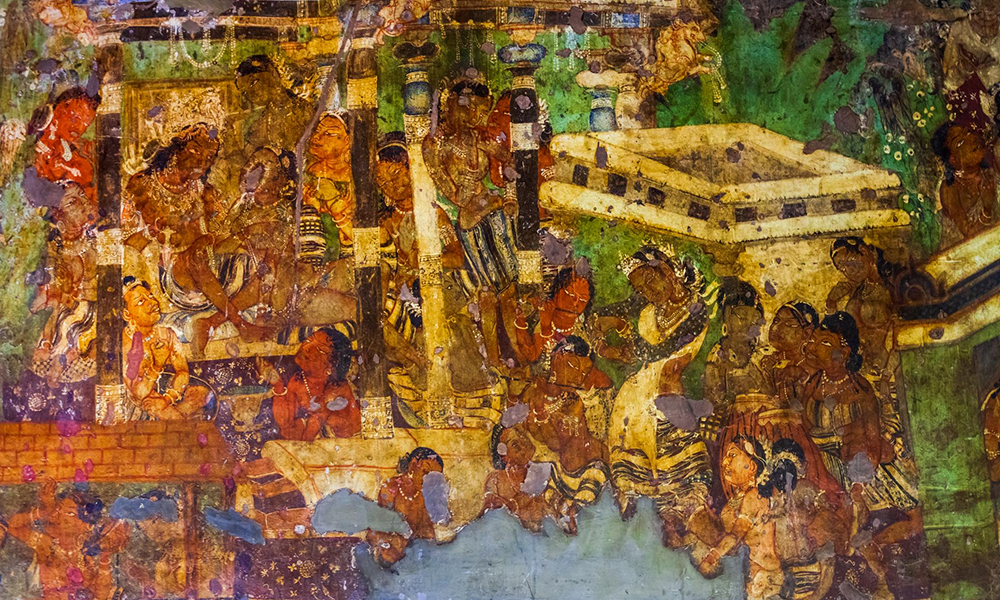

Cultural heritage is the legacy of creativity, traditions, arts, and history from previous generations. Paintings, sculptures, manuscripts, photos, craft pieces, and many other cultural artifacts hold information which needs to be protected and recorded for a long time.
With the use of technology by museums, art galleries, collections, and cultural organizations on the rise, the Cultural Heritage Certification and safe digital recording become necessary for the preservation of the heritage’s identity and authenticity.
Why Digital Documentation Matters for Cultural Heritage?
1. Protect Cultural Heritage Art
Cultural Heritage Art comprises art pieces and creative resources that relate to the past and heritage of a particular community or civilization. Information regarding such artwork can be documented digitally. This can include information regarding the artist of the piece, its identity, provenance, and evidence.
2. Enhance Art Documentation in Museums
Museums Art collections usually consist of thousands of pieces that are historically and culturally valuable. It becomes difficult to manage certificates, provenance papers, condition reports, and ownership data when information is stored in several ways, both physically and digitally.
3. Cultural Heritage Certification
Cultural Heritage Certification acts as an essential stepping stone in providing the identity of cultural artifacts. The certification can provide all sorts of data regarding the artwork, the artist, the medium used, the date, and other evidence.
4. Improve Cultural Heritage Art Security
Cultural Heritage Art Security extends beyond physical protection. Digital records can help protect important information related to authenticity, ownership, provenance, and artwork history.
5. Blockchain Security for Cultural Assets
Blockchain Security can provide an additional layer of trust for cultural heritage documentation. Blockchain-backed records can help preserve the integrity and traceability of important evidence associated with an artwork.
6. Cultural Heritage Artist Certified by ArtAttest
A Cultural Heritage Artist Certified by ArtAttest can benefit from a digital approach to documenting artistic identity and creative works. ArtAttest provides digital trust infrastructure designed to connect artwork identity with verified information, provenance, evidence, and certification.
7. Support Museums Art Licensing
Art Licensing for Museums requires the proper documentation of artworks along with their associated rights. As museums, artists, galleries, or institutions license cultural artworks for exhibitions, publishing, education projects, merchandise, and online uses, reliable documentation helps maintain transparency.
8. Certification Secure by LutinX
Certification Secure by LutinX brings digital trust technologies together to support secure certification and documentation. Verified identities, digital records, provenance information, supporting evidence, and blockchain-backed technology can help institutions maintain reliable records for creative and cultural assets.
How Digital Documentation Supports Museums and Cultural Institutions?
- Digital documentation can support cultural organizations in several important areas:
- Artwork Identification: Maintain structured information about cultural artworks.
- Artist Verification: Connect creative works with documented artist identities.
- Cultural Heritage Certification: Establish trusted certification records for significant artworks.
- Exhibition Records: Document exhibitions and important stages in an artwork’s history.
- Museums Art Licensing: Support documentation required for professional licensing activities.
Conclusion
Preserving cultural heritage requires a combination of traditional conservation and modern digital technology. Cultural Heritage Certification, Cultural Heritage Art Security, Blockchain Security, artist verification, and digital provenance can help create a more reliable foundation for protecting important creative works.
With Cultural Heritage Artist Certified by ArtAttest and Certification Secure by LutinX, artists, museums, collectors, and cultural institutions can strengthen the documentation and protection of valuable artworks while helping preserve their history for future generations.
Frequently Asked Questions
1. What is Cultural Heritage Certification?
Cultural Heritage Certification is documentation that helps establish the identity, authenticity, provenance, and supporting information associated with culturally significant creative works.
2. How can blockchain security protect cultural heritage art?
Blockchain security can help preserve the integrity and traceability of digital records and evidence associated with cultural artworks, providing an additional layer of trust.
3. How can ArtAttest help cultural heritage artists?
ArtAttest provides digital trust infrastructure that can support verified identities, artwork documentation, provenance, certification, and evidence for artists and their creative works.
4. Can museums use digital documentation for art licensing?
Yes. Reliable artwork identity and provenance records can provide useful supporting documentation for Museums Art Licensing, exhibitions, publications, educational projects, and other authorized uses.
5. What does Certification Secure by LutinX mean?
Certification Secure by LutinX refers to using LutinX’s digital trust infrastructure to support secure certification, verified identities, provenance, evidence, and blockchain-backed records for creative assets.
Read More: Trusted Systems for Museum Art Protection