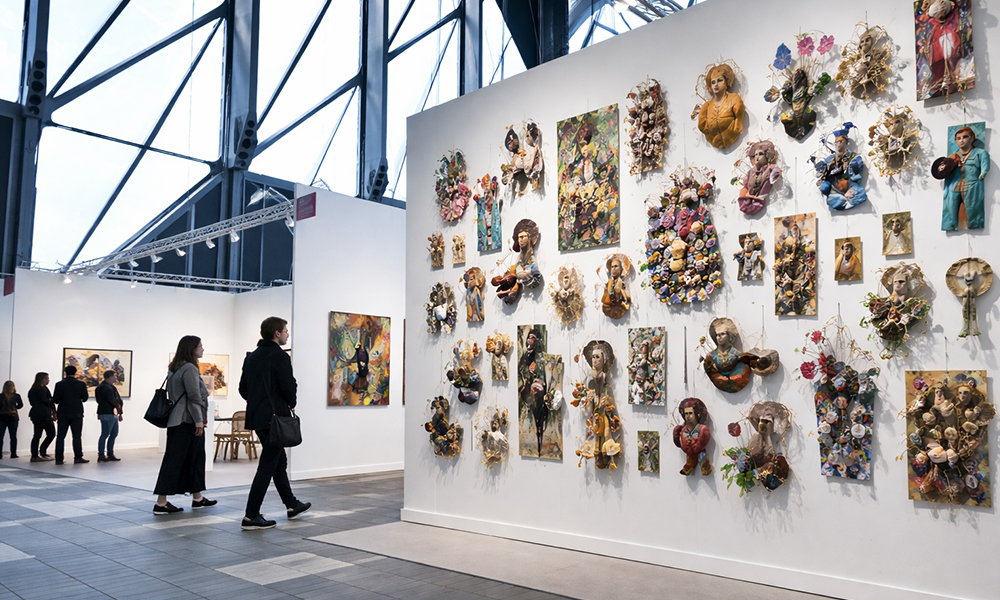

Paris still celebrates the individuals who defined its cultural identity. However, a fresh exhibition is now discussing the life and art of a polymath architect who had a major role to play in restoring the Notre Dame Cathedral. The exhibition is about his vision, dedication, and significance today.
The exhibition brings history closer to the public. Visitors move through drawings, models, and personal notes. Each section explains how the architect approached restoration. The curators highlight his respect for heritage. They also show his creative thinking.
Notre-Dame stands as a global symbol of faith and art. Its restoration required careful planning. The architect understood the cathedral’s spiritual value. He studied its structure in detail. He treated every stone with care.
His work balanced tradition with innovation. He protected original elements. He also introduced techniques that strengthened the building. This balance preserved authenticity. It also ensured long-term stability.
The architect did not limit himself to one discipline. He worked as a designer. He worked as a historian ans restorer. This broad skill set earned him the title of polymath. His approach shaped modern restoration practices.
Inside the Exhibition and Its Cultural Impact
The exhibition divides his career into clear phases. Each phase reflects a different challenge. Early projects show technical learning. Later projects show confident leadership. The final section reflects lasting influence.
Visitors see original sketches of Notre-Dame. These drawings reveal careful observation. They show how he studied arches and towers. They also show how he planned structural support. Each line reflects patience and precision.
The exhibition also explores public reaction. Some critics once questioned his methods. Others praised his bold vision. Over time, his reputation grew stronger. Today, experts recognize his impact.
Modern architects still study his work. Conservation professionals reference his methods. Universities teach his principles. His ideas continue to shape training programs.
The exhibition invites reflection. It asks visitors to consider how cities preserve memory. It shows that restoration is not only technical work. It is also cultural responsibility.
Notre-Dame stands today because of careful stewardship. The architect’s legacy lives in stone and structure. The exhibition honors that legacy with clarity and respect. It reminds the public that heritage survives through knowledge, patience, and care.