
Artists have always provided a different perspective on the world. Where other people may see routine and everyday life, artists see emotion, movement, contrast, and meaning. The World Through the Eyes of the Artists explores how creative minds look at life with a different perspective and then take that into visual expression.
The world, as a subject matter for an artist, is not just a physical environment; it contains a motif of stories, emotions, and interrelations. City Street becomes a composition in rhythm and colors. The city street becomes an exercise in rhythm and color. A quiet moment becomes a symbol for emotion. Artists are trained observers, always absorbing details most people hardly notice. Such sensitivity allows them to reflect the world in ways that feel both personal and universal.
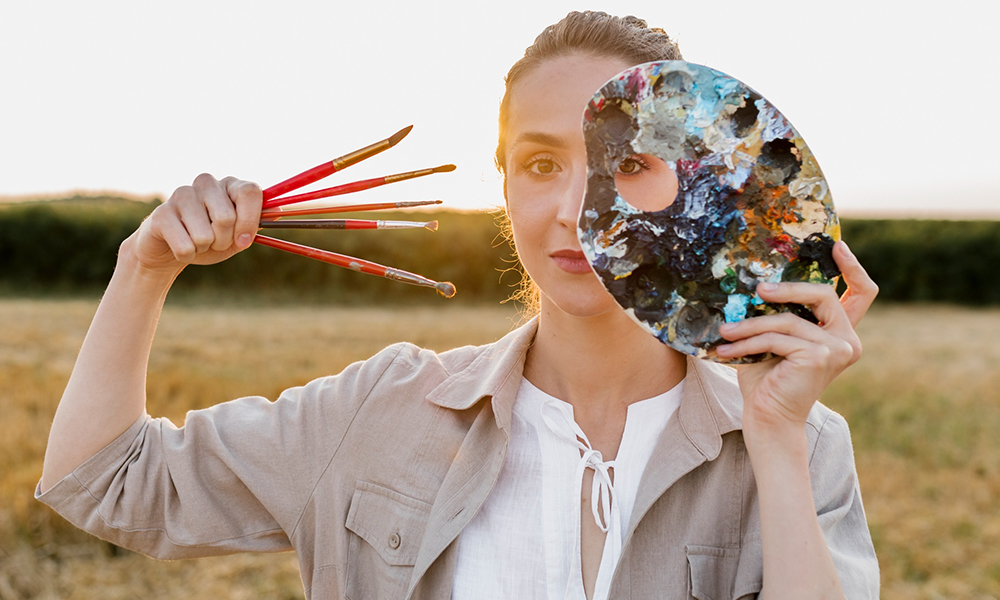
One of the most potent elements of an artist’s vision is interpretation.” Artists do not merely replicate reality, because instead, they react to it. By using methods such as painting, sculpture, illustration, photography, or mixed media, they interpret experiences by allowing those experiences to be filtered by his or her emotions and beliefs. By doing that, normal events are transformed into important narratives by what we view in an artwork, not just reality.
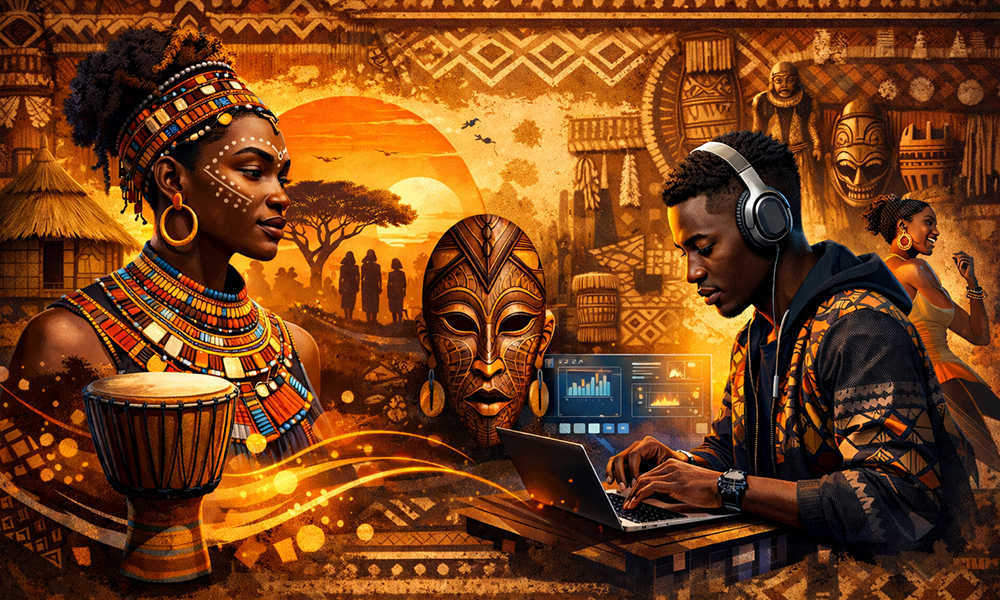
Culture can also be a strong contributor to artistic visions. The culture and traditions in culture may affect how an artist interprets and expresses the world. There can be representation of culture in an art piece through symbols, materials, subjects, and narrative strategies. The supplementary perspectives in art pieces may be able to help viewers in relating to their own experiences.
The role of emotion in life perception for artists is very crucial. Joy, sorrow, conflict, hope, and contemplation are some of the ideas that artists have been dealing with through art. The artists convey emotions through visual elements that cannot be expressed through words. In this way, emotions are linked to the viewers of artistic creations.
Time and change are also critical components of artistic observation. Many artists engage with social changes, environmental issues, or a process of personal transformation. Artistic engagement with time can be a response to the time that the artist is living through. Such a process creates a time capsule of that era through artwork.
In addition to this, artists consider and appreciate imperfections. Cracks, shadows, blank spaces, and silent areas all inspire artists and instigate them to explore. The power to find meaning and assign it to seemingly flawless areas makes them challenge the traditional concept of beauty.
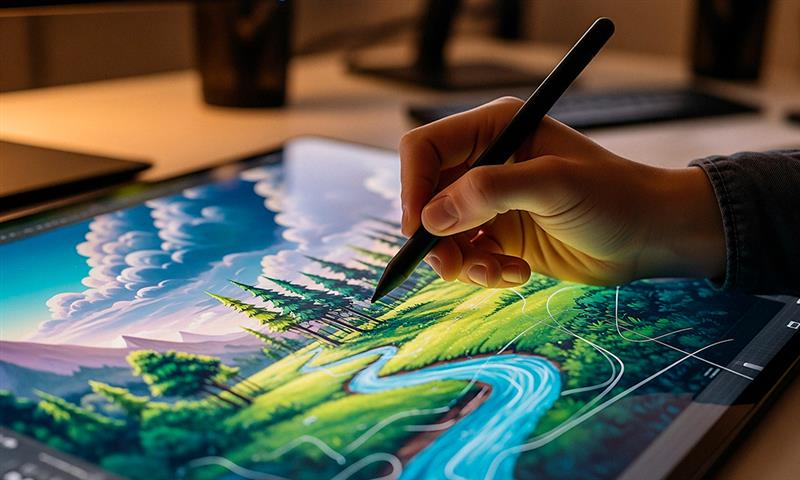
Technology and modern life have expanded how artists see and share the world. Digital tools, global connectivity, and new platforms let artists explore ideas across borders. Methods will vary, but the essential view is unchanged: a need to comprehend and express the human experience.
The World Through the Eyes of the Artists” serves as a reminder that art is not something unrelated in the world of life. Art is how humans experience the world around them. The artist translates thoughts, feelings, observations into visual statements.
In summary, having an understanding of insights from our surroundings using artistic vision plays an essential role in developing an awareness. This is because there are various ways in which an individual can understand this reality, and this is because artwork stimulates an individual to see differently, in addition to feeling differently.
Artists have always provided a different perspective on the world. Where other people may see routine and everyday life, artists see emotion, movement, contrast, and meaning. The World Through the Eyes of the Artists explores how creative minds look at life with a different perspective and then take that into visual expression.
The world, as a subject matter for an artist, is not just a physical environment; it contains a motif of stories, emotions, and interrelations. City Street becomes a composition in rhythm and colors. The city street becomes an exercise in rhythm and color. A quiet moment becomes a symbol for emotion. Artists are trained observers, always absorbing details most people hardly notice. Such sensitivity allows them to reflect the world in ways that feel both personal and universal.
One of the most potent elements of an artist’s vision is interpretation.” Artists do not merely replicate reality, because instead, they react to it. By using methods such as painting, sculpture, illustration, photography, or mixed media, they interpret experiences by allowing those experiences to be filtered by his or her emotions and beliefs. By doing that, normal events are transformed into important narratives by what we view in an artwork, not just reality.
Culture can also be a strong contributor to artistic visions. The culture and traditions in culture may affect how an artist interprets and expresses the world. There can be representation of culture in an art piece through symbols, materials, subjects, and narrative strategies. The supplementary perspectives in art pieces may be able to help viewers in relating to their own experiences.
The role of emotion in life perception for artists is very crucial. Joy, sorrow, conflict, hope, and contemplation are some of the ideas that artists have been dealing with through art. The artists convey emotions through visual elements that cannot be expressed through words. In this way, emotions are linked to the viewers of artistic creations.
Time and change are also critical components of artistic observation. Many artists engage with social changes, environmental issues, or a process of personal transformation. Artistic engagement with time can be a response to the time that the artist is living through. Such a process creates a time capsule of that era through artwork.
In addition to this, artists consider and appreciate imperfections. Cracks, shadows, blank spaces, and silent areas all inspire artists and instigate them to explore. The power to find meaning and assign it to seemingly flawless areas makes them challenge the traditional concept of beauty.
Technology and modern life have expanded how artists see and share the world. Digital tools, global connectivity, and new platforms let artists explore ideas across borders. Methods will vary, but the essential view is unchanged: a need to comprehend and express the human experience.
The World Through the Eyes of the Artists” serves as a reminder that art is not something unrelated in the world of life. Art is how humans experience the world around them. The artist translates thoughts, feelings, observations into visual statements.
In summary, having an understanding of insights from our surroundings using artistic vision plays an essential role in developing an awareness. This is because there are various ways in which an individual can understand this reality, and this is because artwork stimulates an individual to see differently, in addition to feeling differently.